ormon
AI Hormones Guide AppUX/UI Design

User Interviews
User Testing
Low/Mid/High-Fidelity Prototyping
User Testing
Low/Mid/High-Fidelity Prototyping
Ormon is not just a product but a case study in the evolving landscape of wellness apps. It explores the untapped potential of hormonal health as a key driver for well-being and how wellness technology can better integrate emotional and physical health. Inspired by David JP Phillips’ book High on Life: How to Naturally Harness the Power of Six Key Hormones, this concept investigates how hormones influence energy, mood, and focus, and how this understanding can be applied to improve everyday wellness through accessible technology.
This project combines AI-driven personalized guidance with a holistic understanding of hormonal health that goes beyond traditional approaches focused mainly on women. It aims to empower all users with clear, actionable insights to improve their well-being. A detailed concept is available upon request for partners interested in collaborating to bring this vision to life and explore potential funding opportunities.
This project combines AI-driven personalized guidance with a holistic understanding of hormonal health that goes beyond traditional approaches focused mainly on women. It aims to empower all users with clear, actionable insights to improve their well-being. A detailed concept is available upon request for partners interested in collaborating to bring this vision to life and explore potential funding opportunities.
PROCESS

1. User Research
Extensive user research included 42 surveys and 9 in-depth interviews with people aged 20–45, exploring health habits, hormonal awareness, and app interactions. Many felt overwhelmed by data but lacked clarity on how it connected to their daily lives. A key insight: users struggled to link habits like sleep and diet to their hormonal balance.
From this, Alex emerged as a representative persona—a 32-year-old marketing professional who values health but struggles with stress, energy, and sleep. He finds health apps too complex or impractical, often abandoning them. Users like Alex seek clear, actionable insights that seamlessly fit into their daily routines.
From this, Alex emerged as a representative persona—a 32-year-old marketing professional who values health but struggles with stress, energy, and sleep. He finds health apps too complex or impractical, often abandoning them. Users like Alex seek clear, actionable insights that seamlessly fit into their daily routines.


2. Competitive Analysis
After testing and analyzing over 30 health apps for design, performance, setup, and features, a clear pattern emerged: most apps focus solely on either physical or mental health, rarely bridging the two. Fitness apps track activity, while mental health apps address emotions—without connecting them.
Hormonal health apps like Flo and Clue primarily
target menstrual health, offering limited insights into how hormones affect energy, mood, and overall well-being across all genders.
This highlights a major gap: users need a holistic tool that seamlessly links physical and emotional health through the lens of hormonal balance.
Hormonal health apps like Flo and Clue primarily
target menstrual health, offering limited insights into how hormones affect energy, mood, and overall well-being across all genders.
This highlights a major gap: users need a holistic tool that seamlessly links physical and emotional health through the lens of hormonal balance.

3. Usability Testing
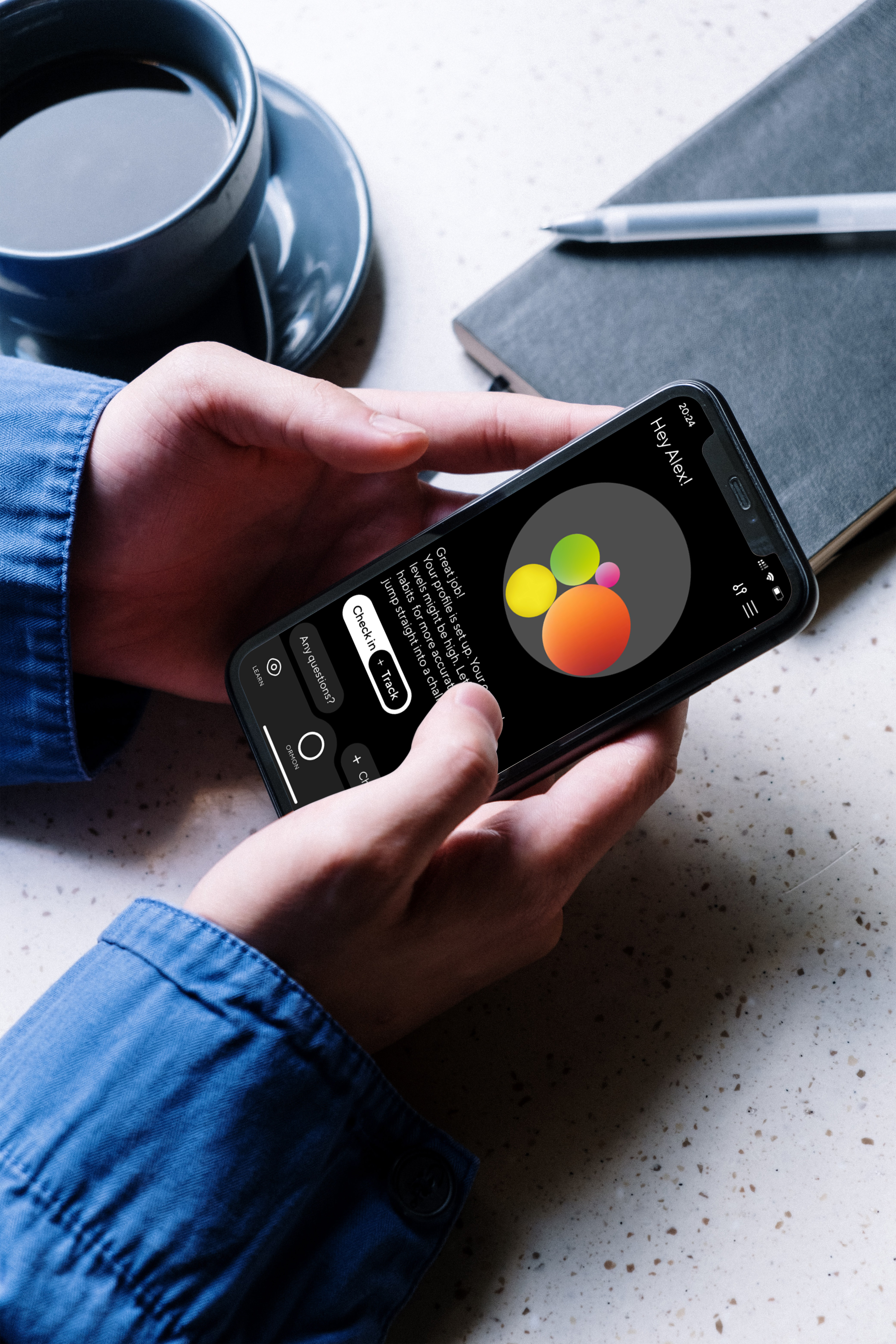
To refine Ormon, I conducted usability testing on the prototype. Users found the Hormonal Balance Dashboard and interactive hormone graph particularly valuable, as they made complex data more accessible. Personalized coaching also stood out as a key feature, helping users translate insights into actionable steps. This feedback confirmed the need for a tool that connects hormonal health with daily life.
4. Design
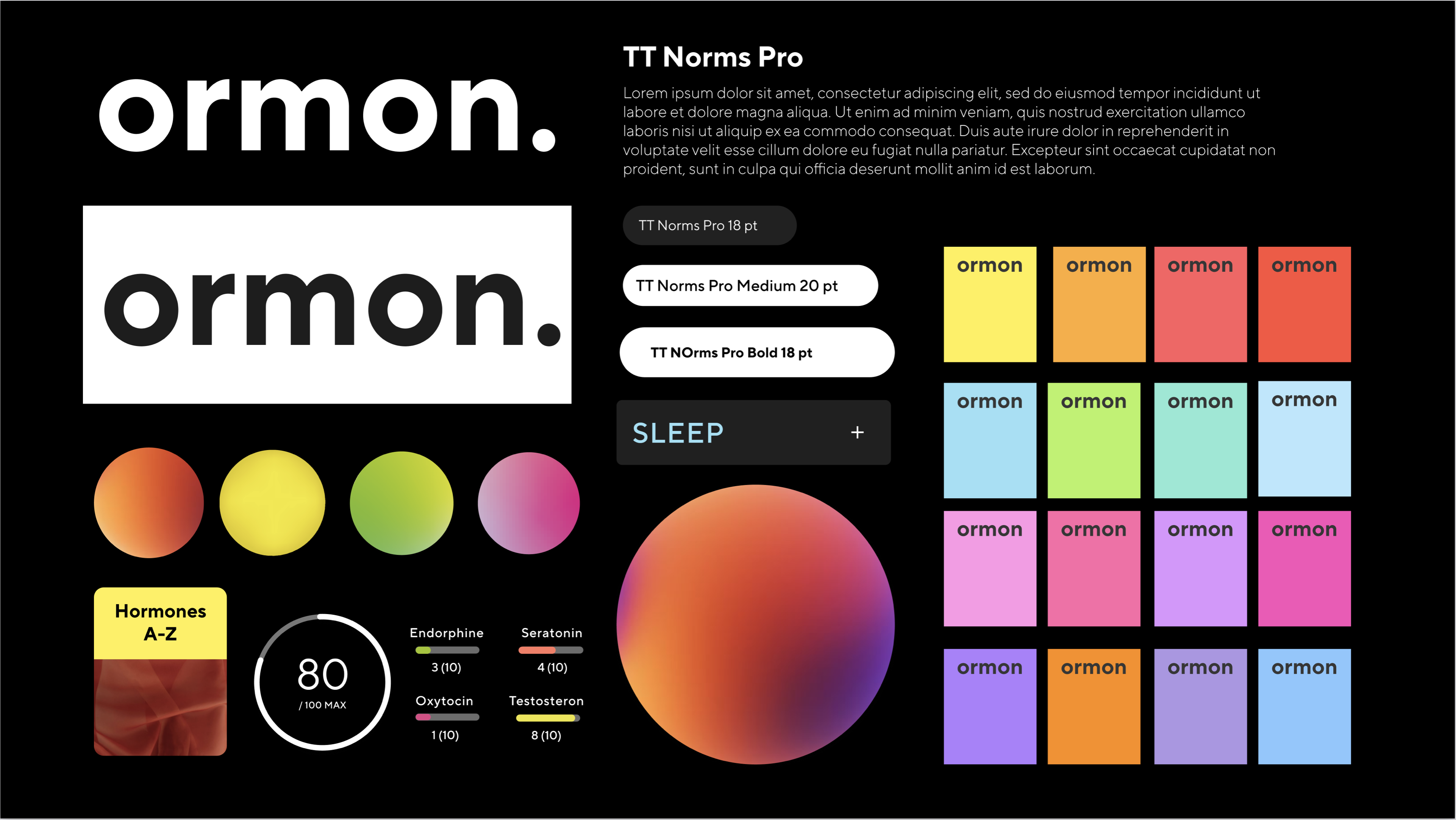
The design for Ormon focused on a calm, intuitive design, using soft colors and clear visualizations to make tracking stress, sleep, and nutrition feel effortless. The goal was to create an experience that feels both scientifically grounded and emotionally supportive.
THE APP



Four Accidents
Artist’s book Collaboration
Weserburg Museum of Modern Art in Bremen

concept
editorial
illustration
text
exhibition
editorial
illustration
text
exhibition
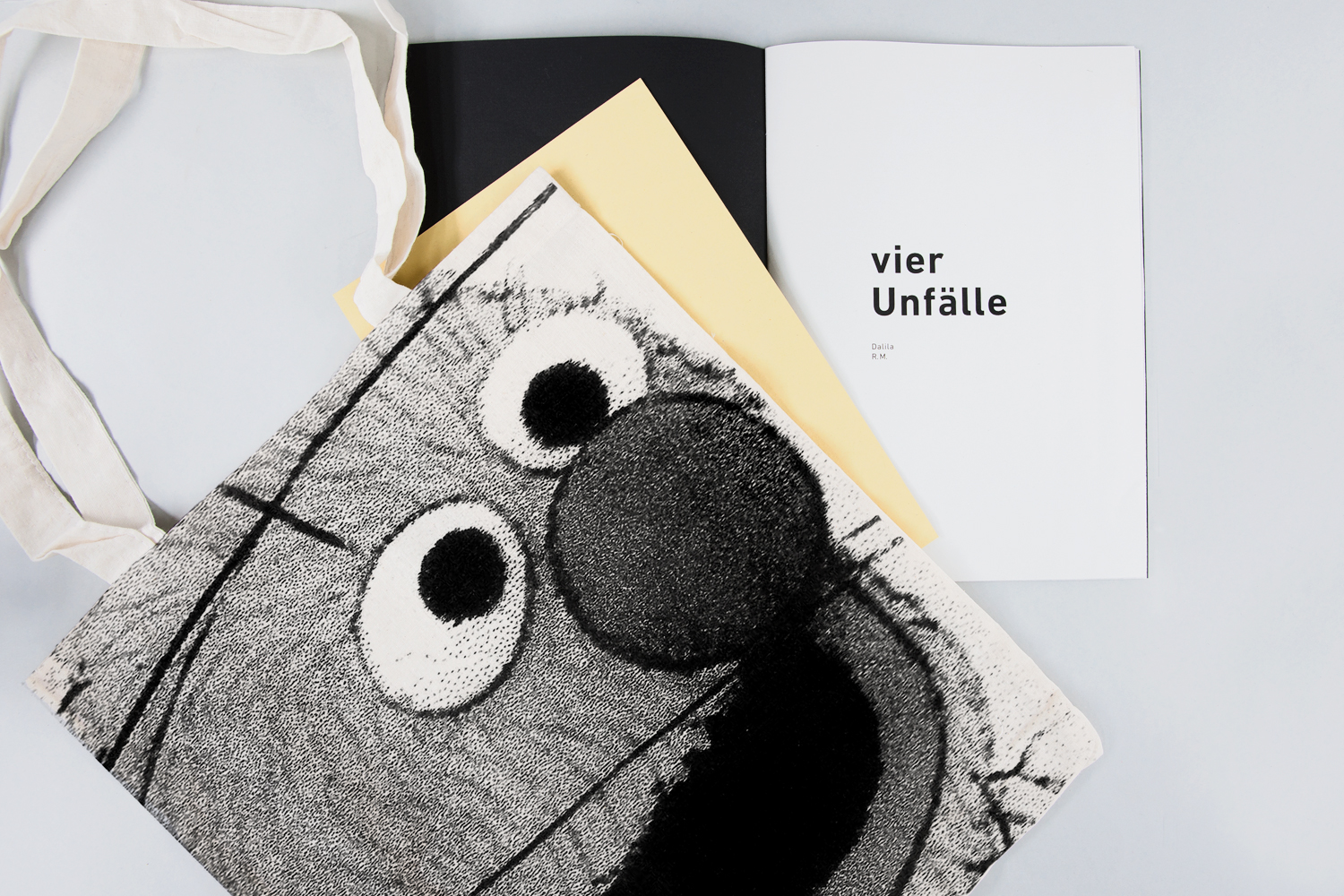
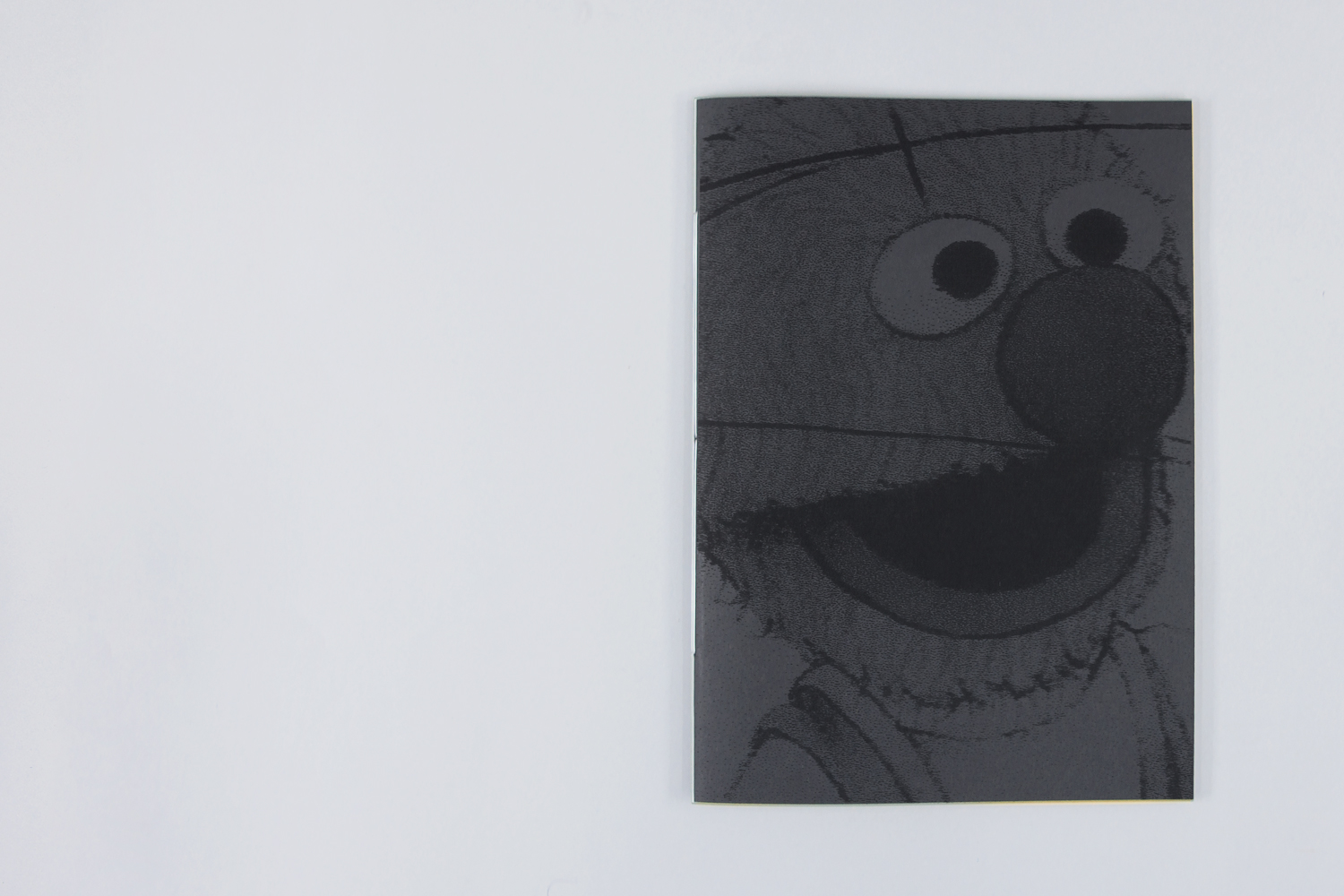
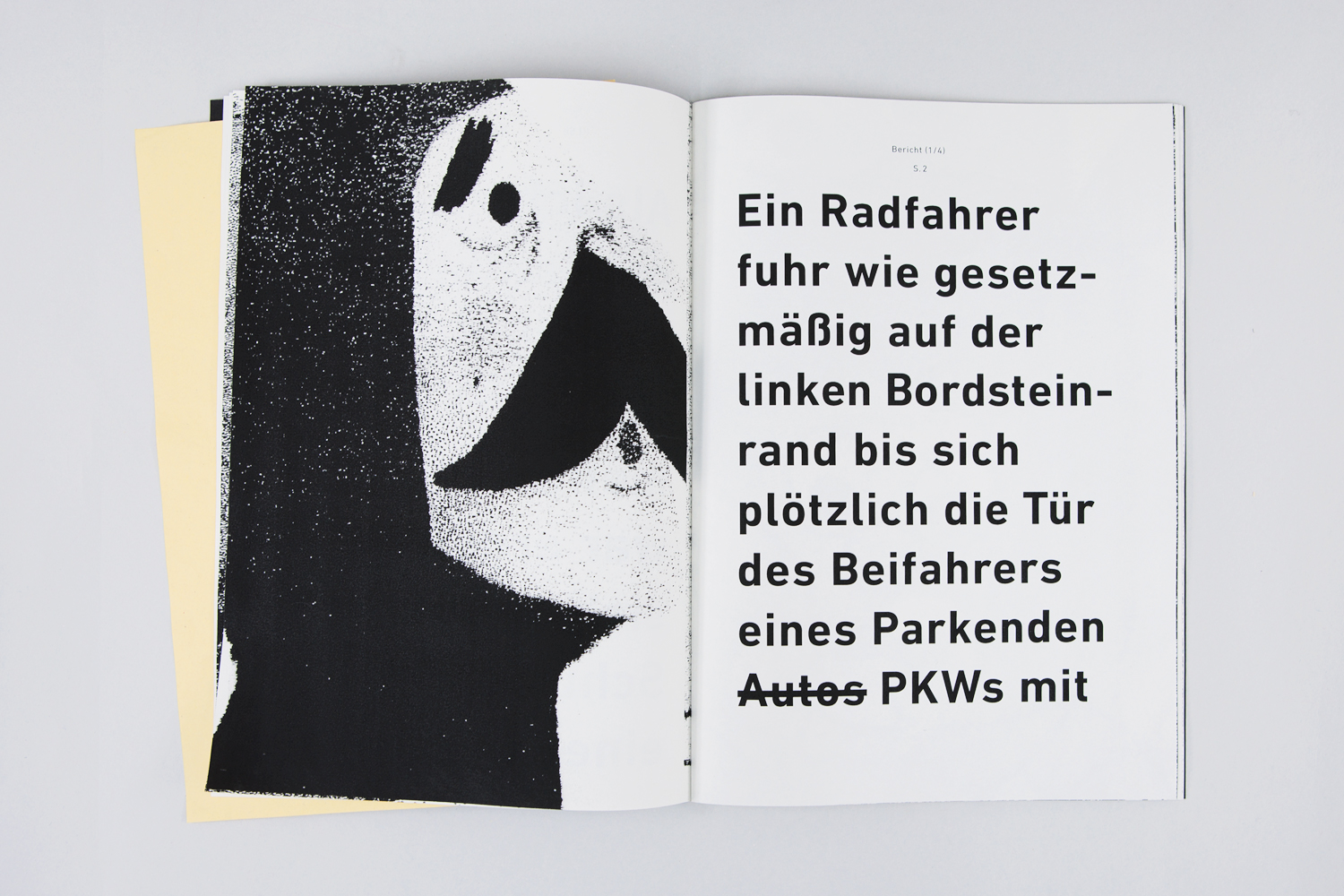
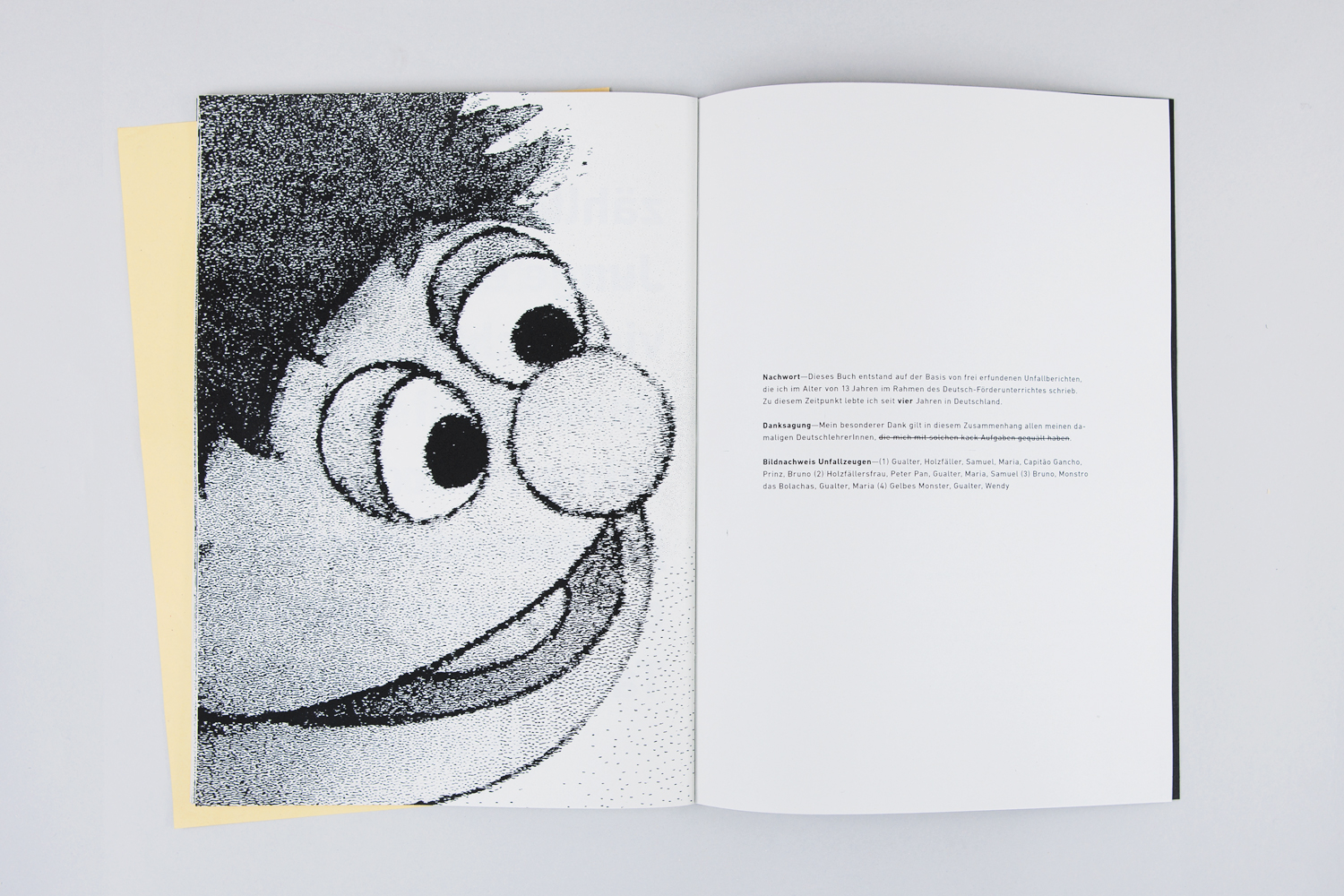
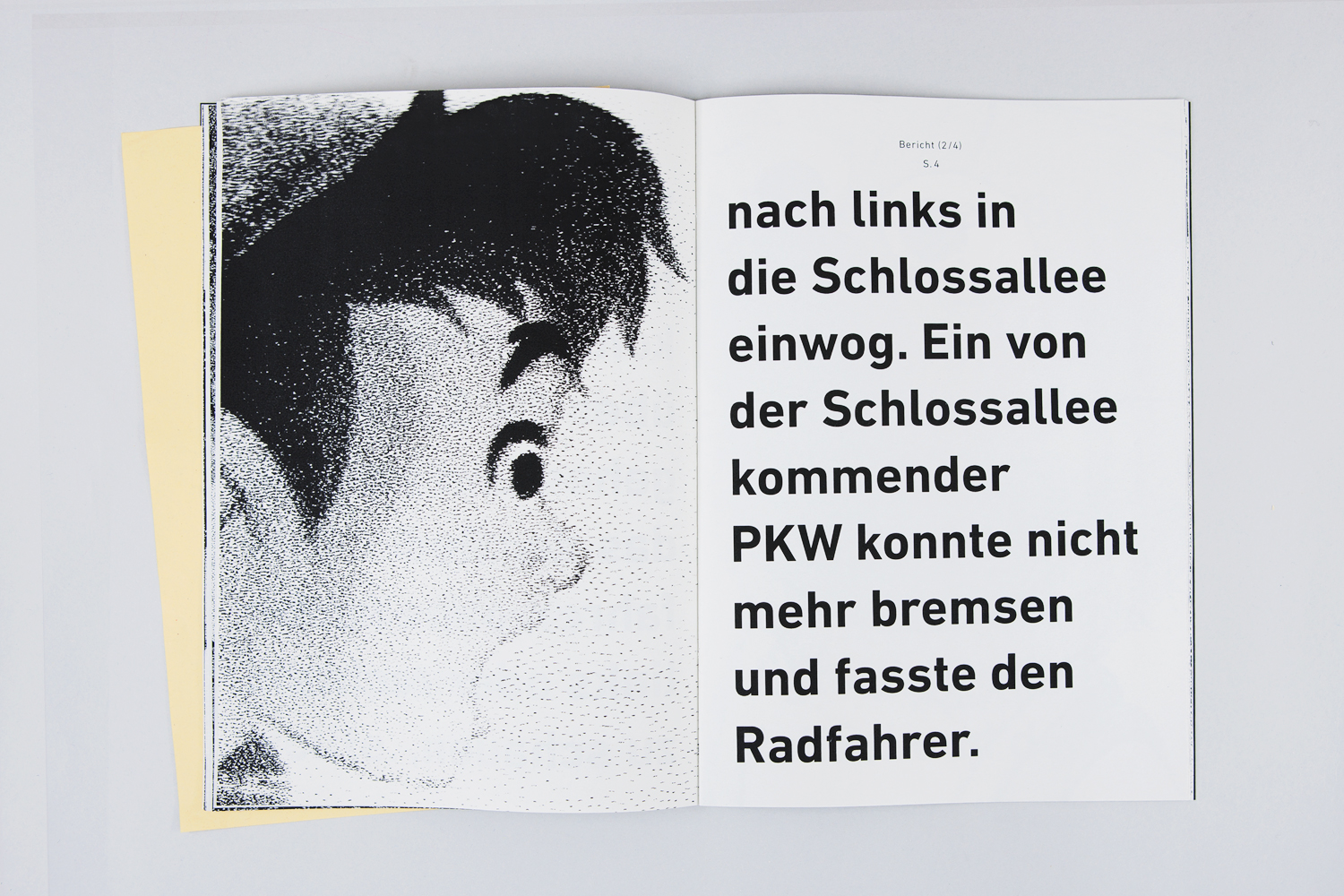
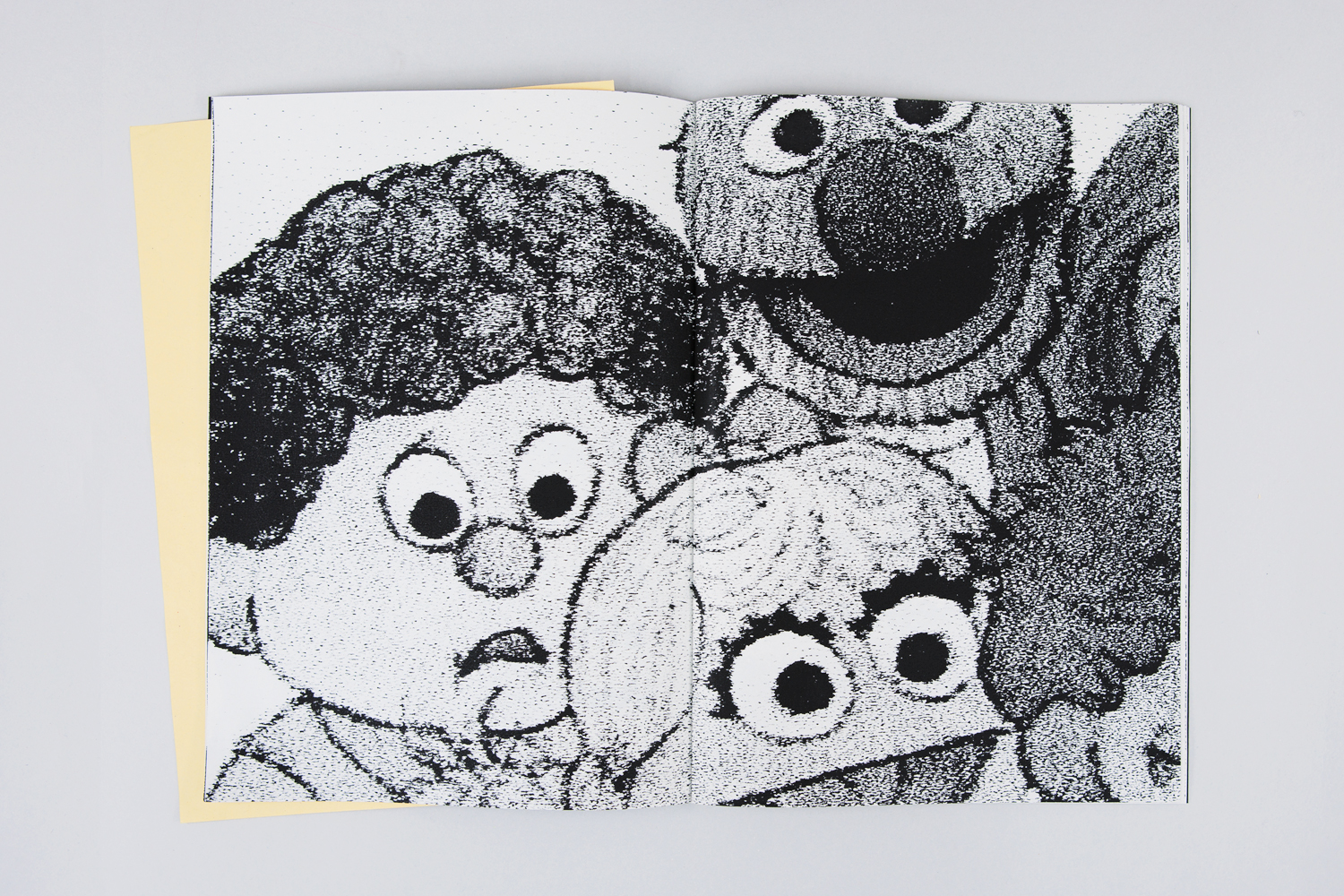
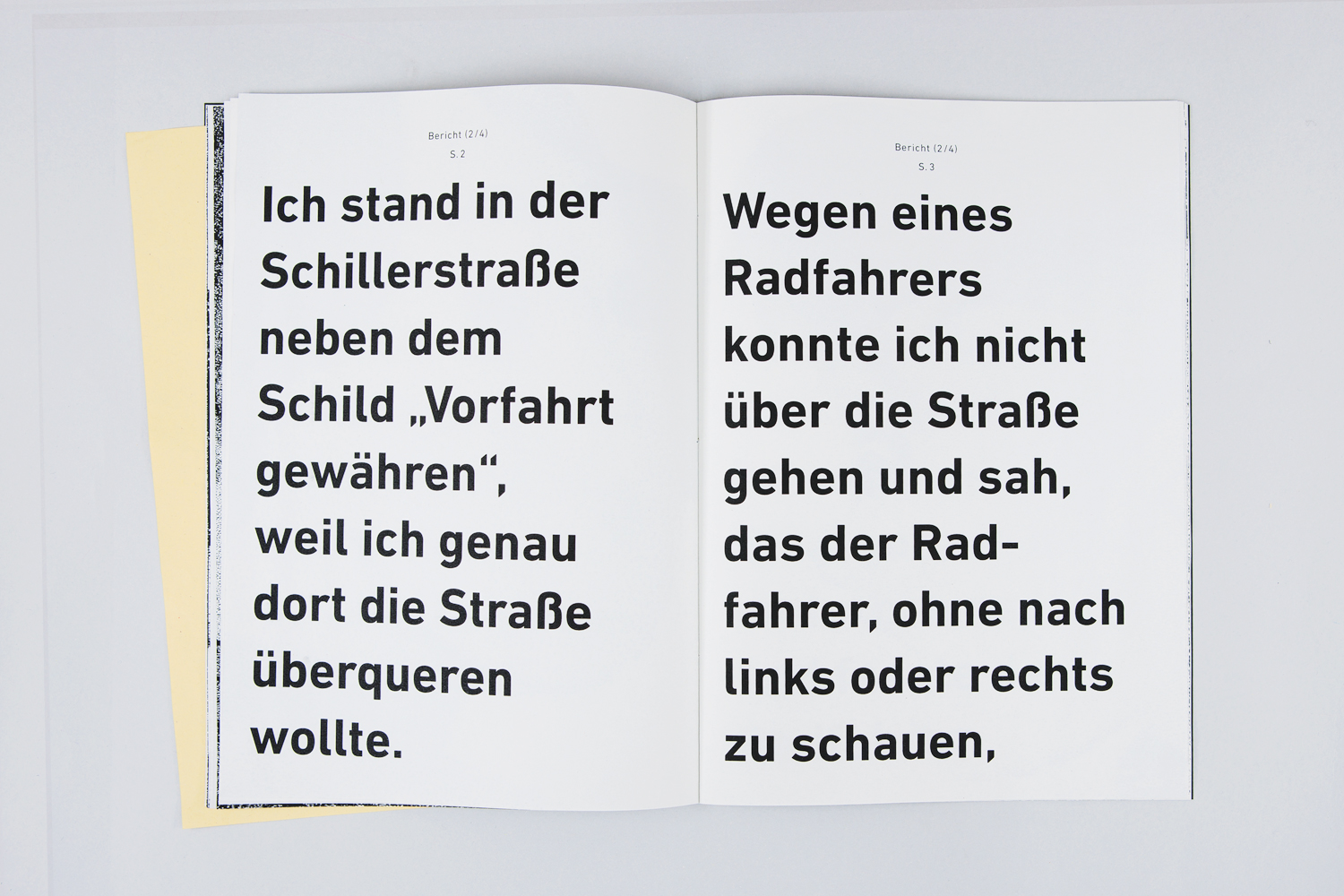
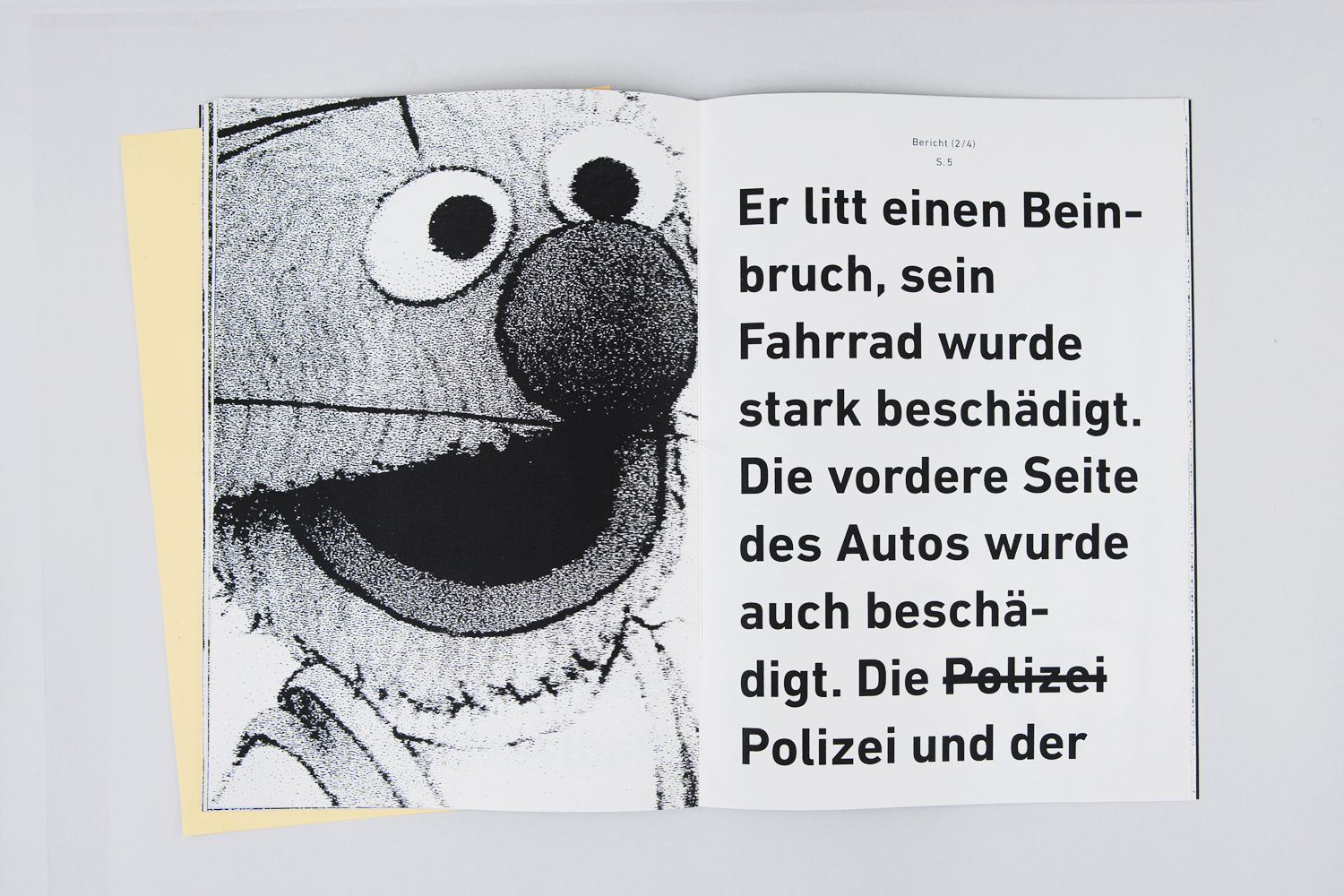
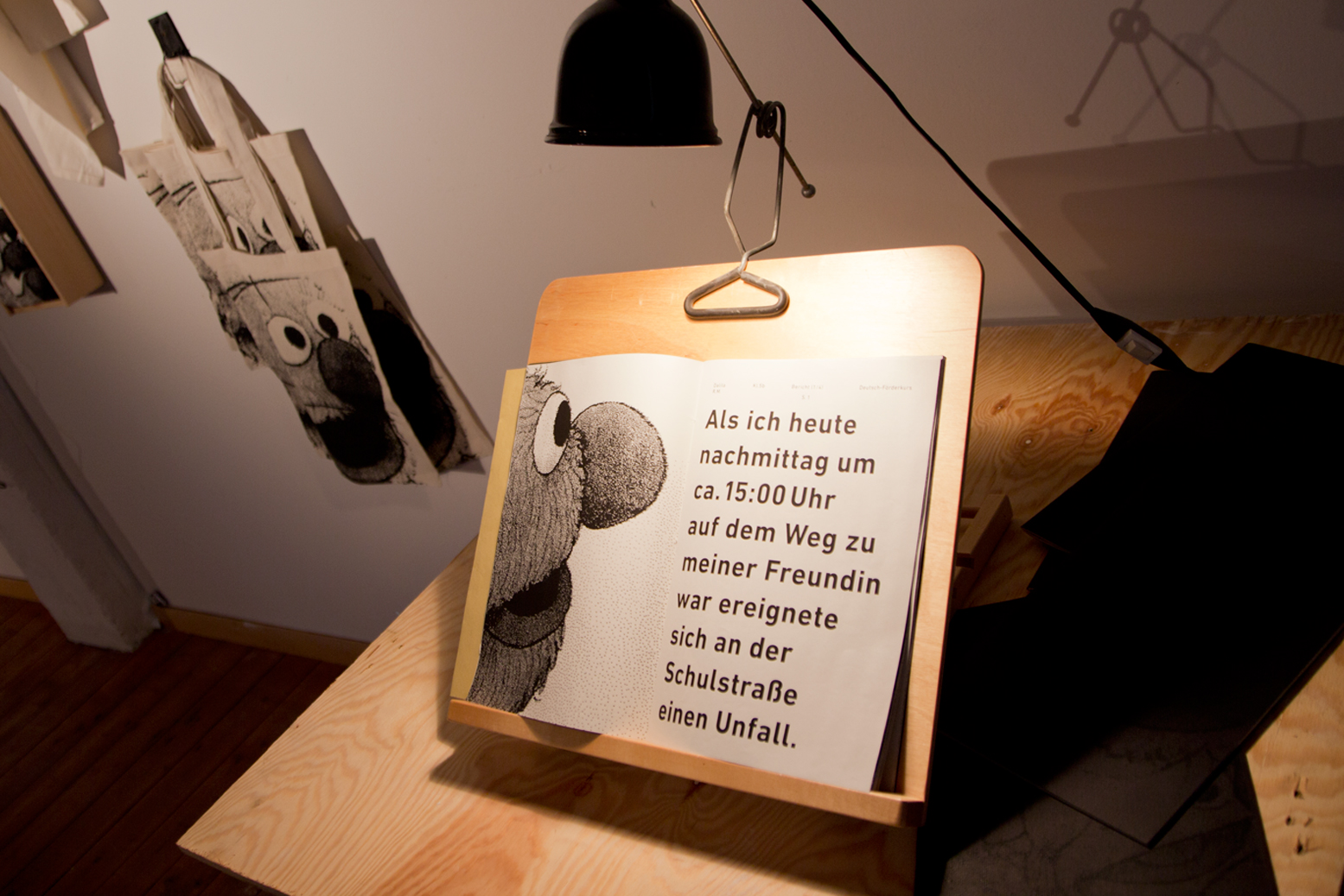
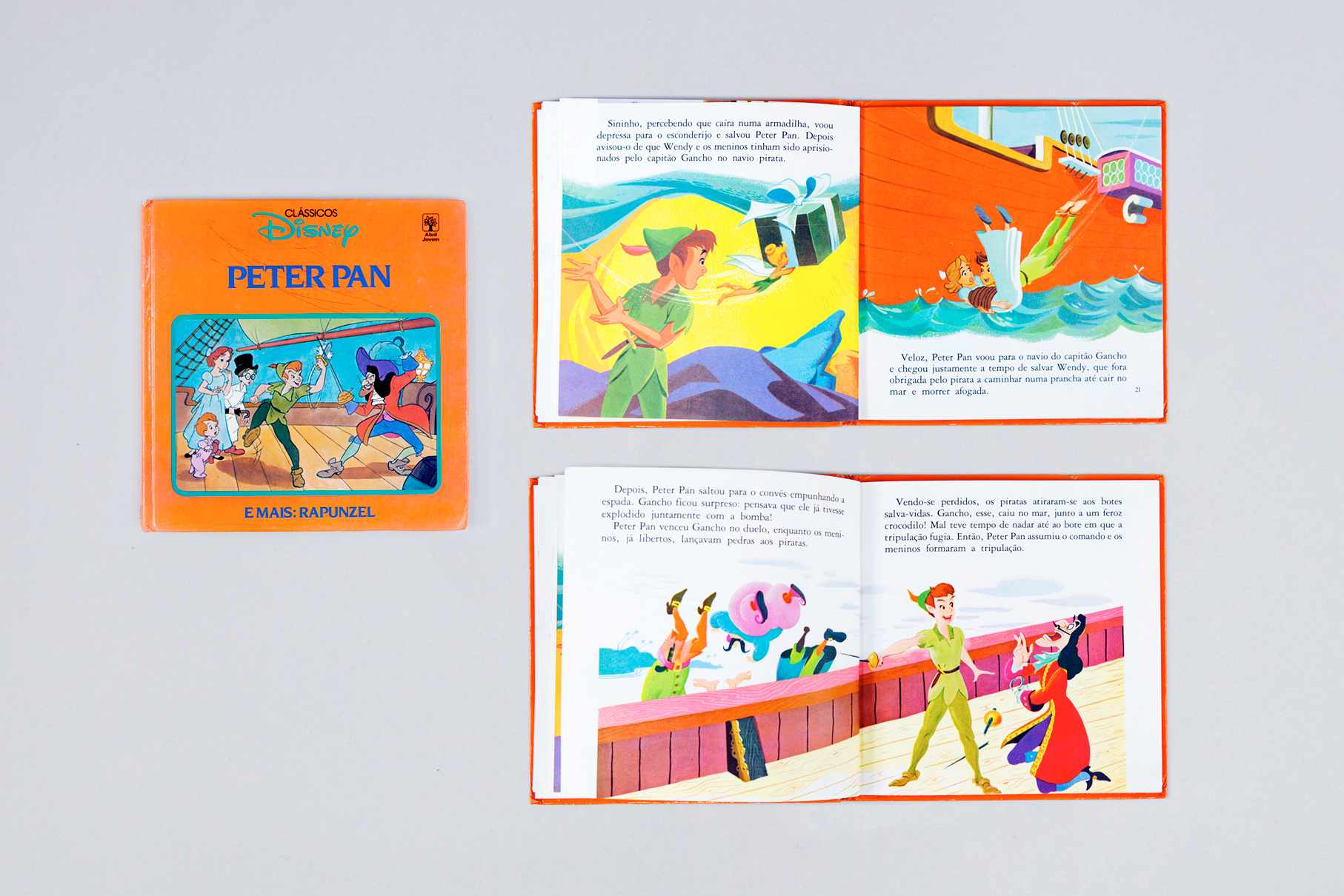
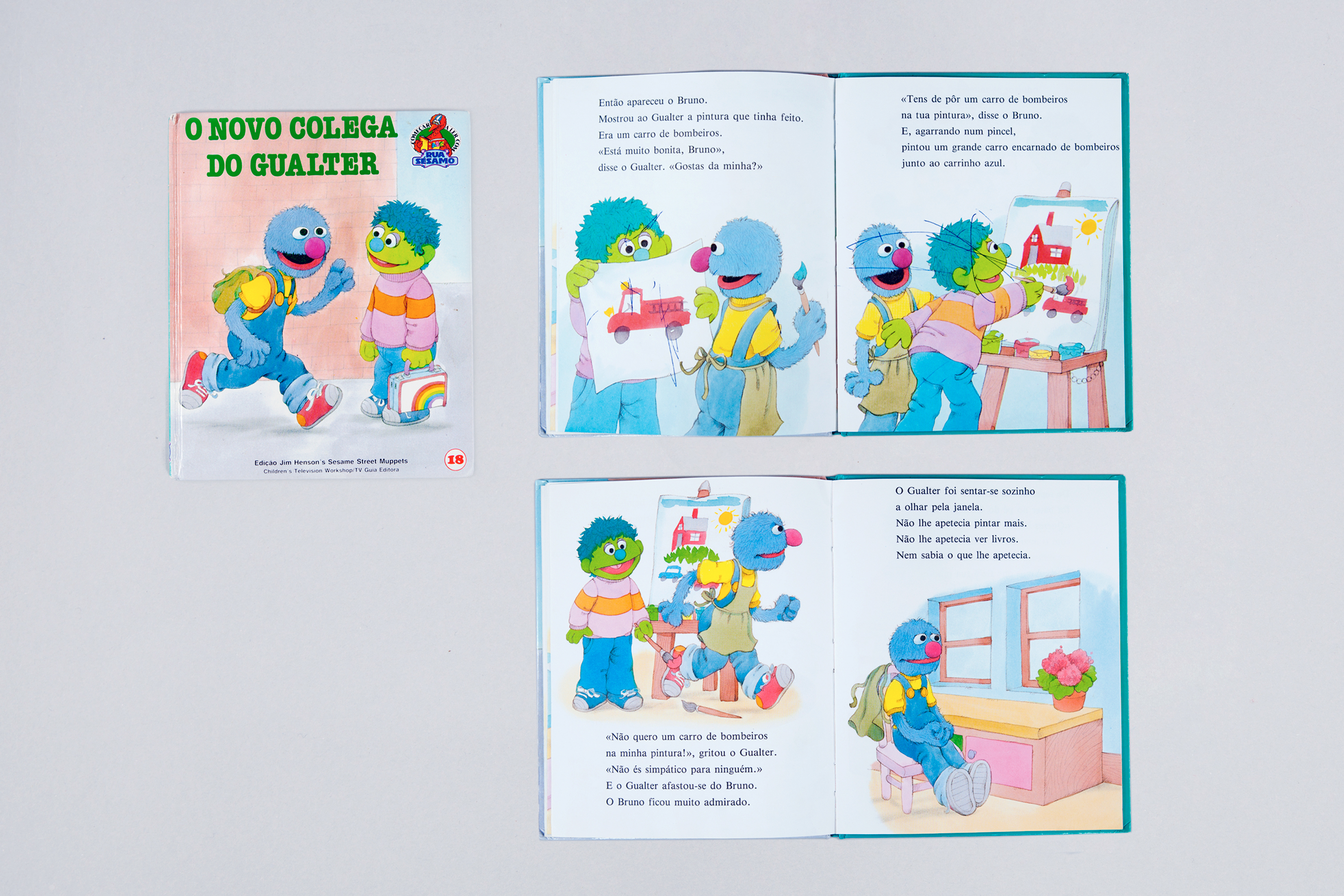
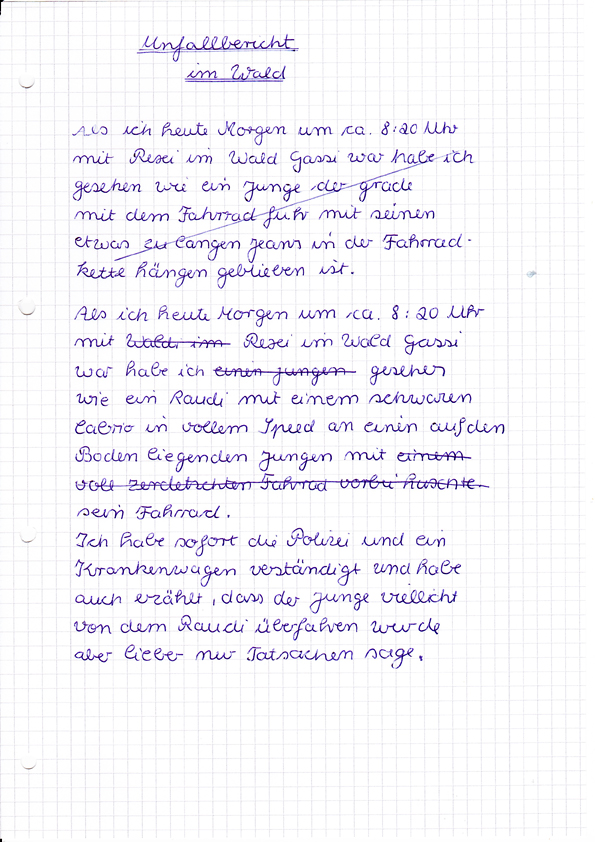
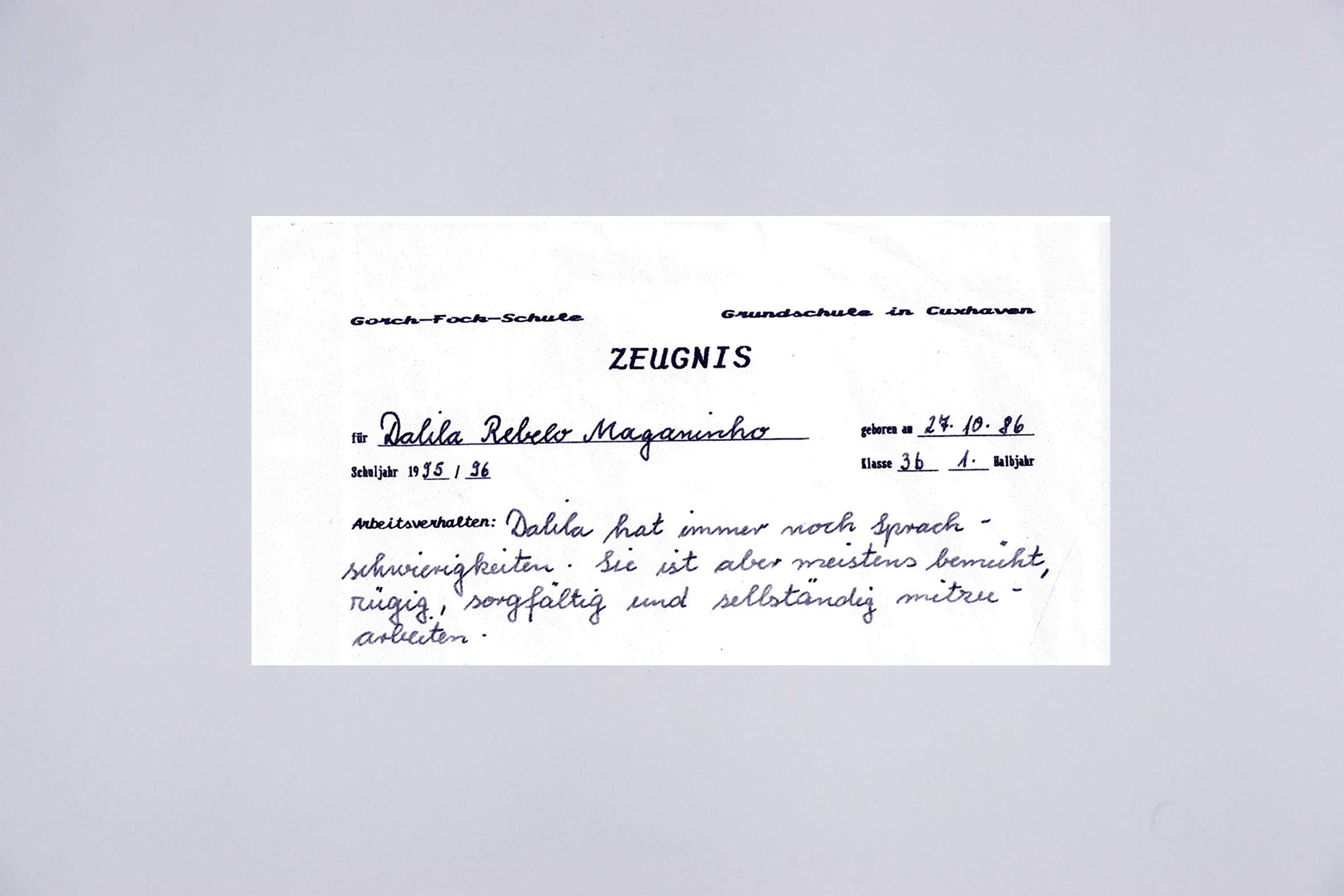
Four Accidents is a self-published artist’s book exploring how language, memory, and institutional routines shape the experience of growing up between cultures. It brings my themes of belonging, communication, and cultural displacement to life. As a child new to Germany, I wrote fictional accident reports in language support classes. These emotionless texts contrasted sharply with my feelings, teaching me how to navigate a foreign system. The book pairs these reports with oversized illustrations from my old Portuguese reading books, creating a tension between cultural identity and bureaucratic control.
Printed by hand in risograph and hand-bound, the project was also shown in a mini-exhibition where the visual language was extended to screen-printed T-shirts, tote bags, and notebooks, carrying these memories into new contexts. Four Accidents was developed in cooperation with the Research Centre for Artists Publications at the Weserburg Museum of Modern Art in Bremen.
Printed by hand in risograph and hand-bound, the project was also shown in a mini-exhibition where the visual language was extended to screen-printed T-shirts, tote bags, and notebooks, carrying these memories into new contexts. Four Accidents was developed in cooperation with the Research Centre for Artists Publications at the Weserburg Museum of Modern Art in Bremen.







Anatomia da Saudade
Artistic research project
on
emotion, memory, and cultural identity

research
concept
text
editorial
illustration
production
concept
text
editorial
illustration
production
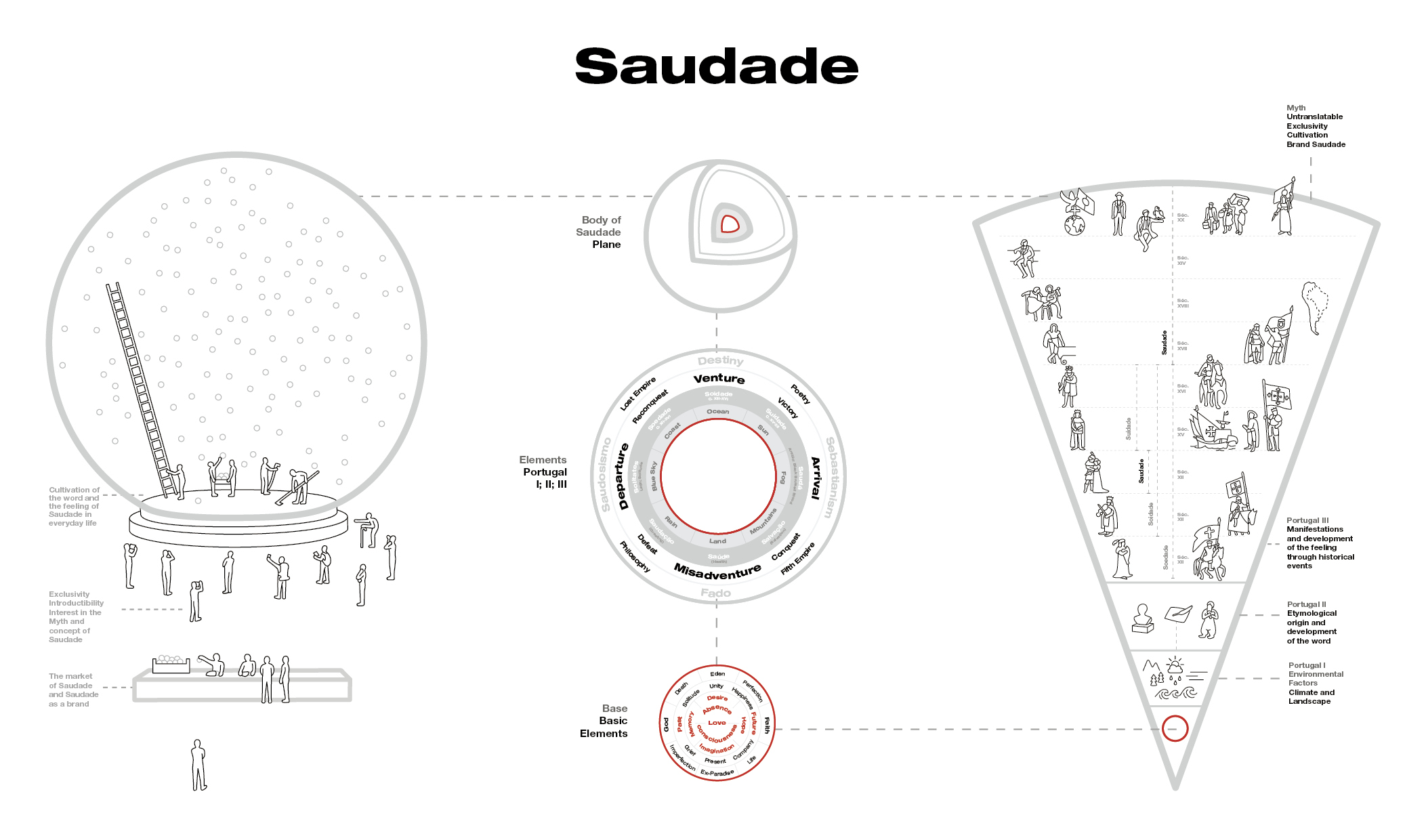
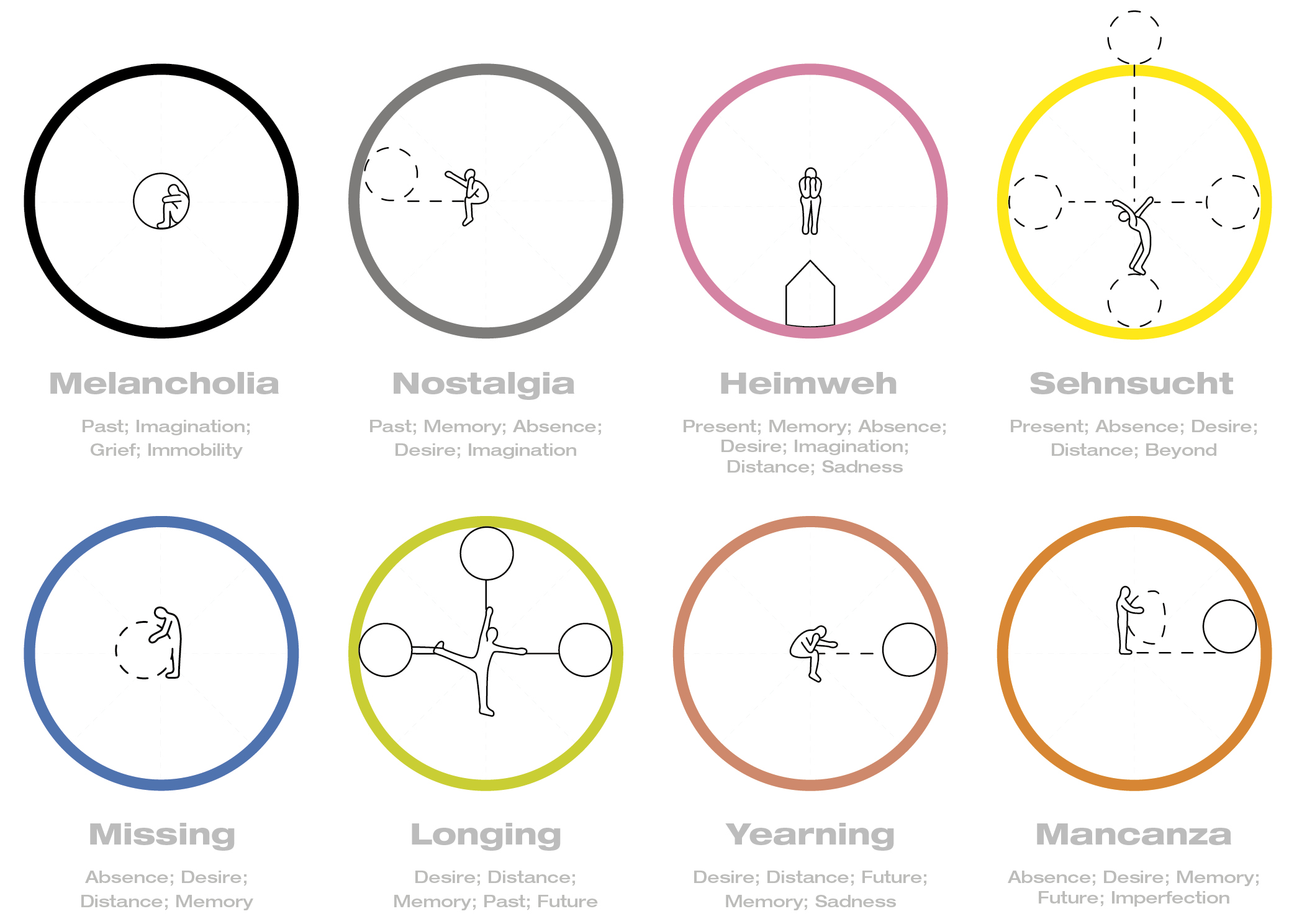
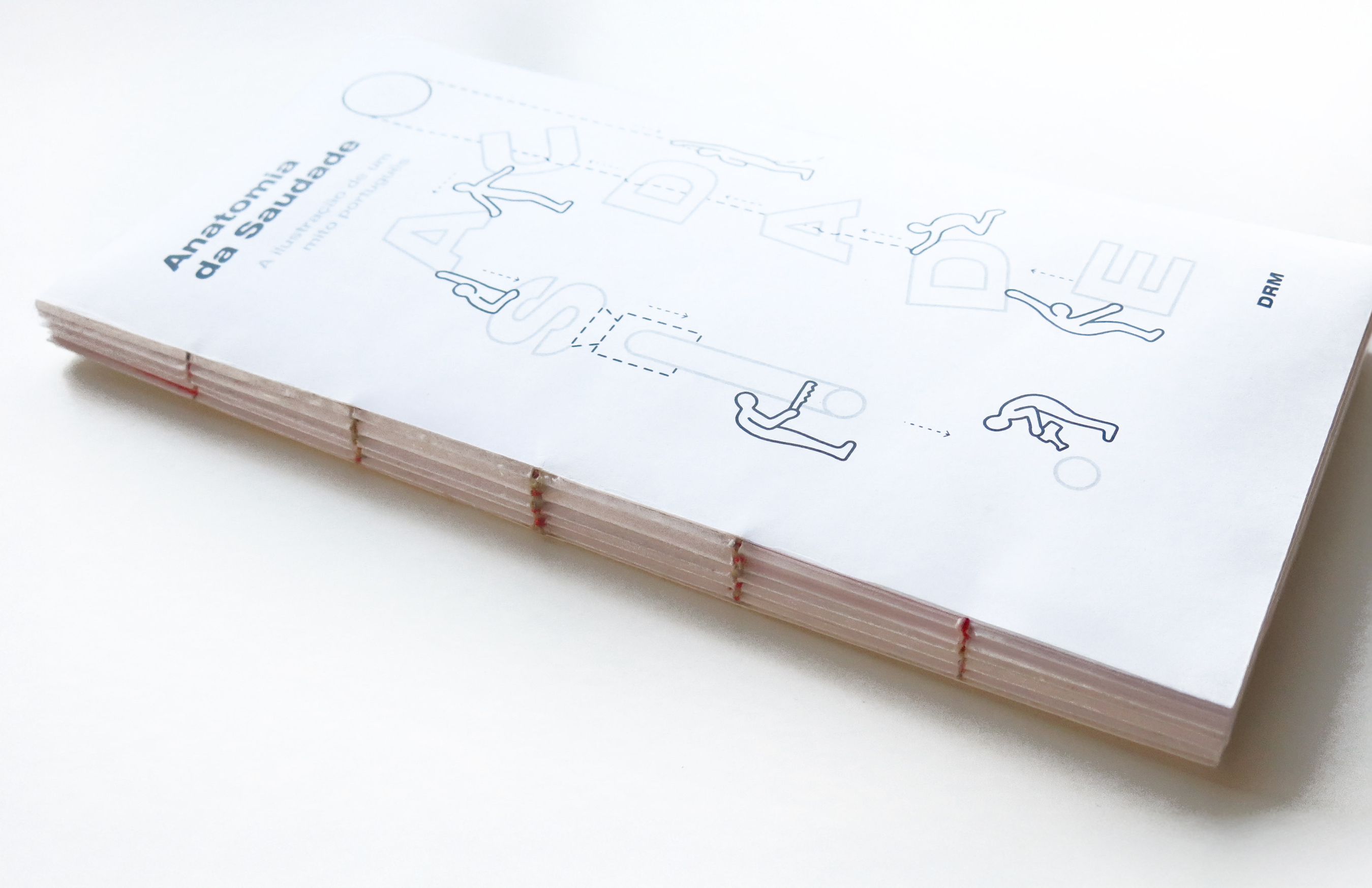
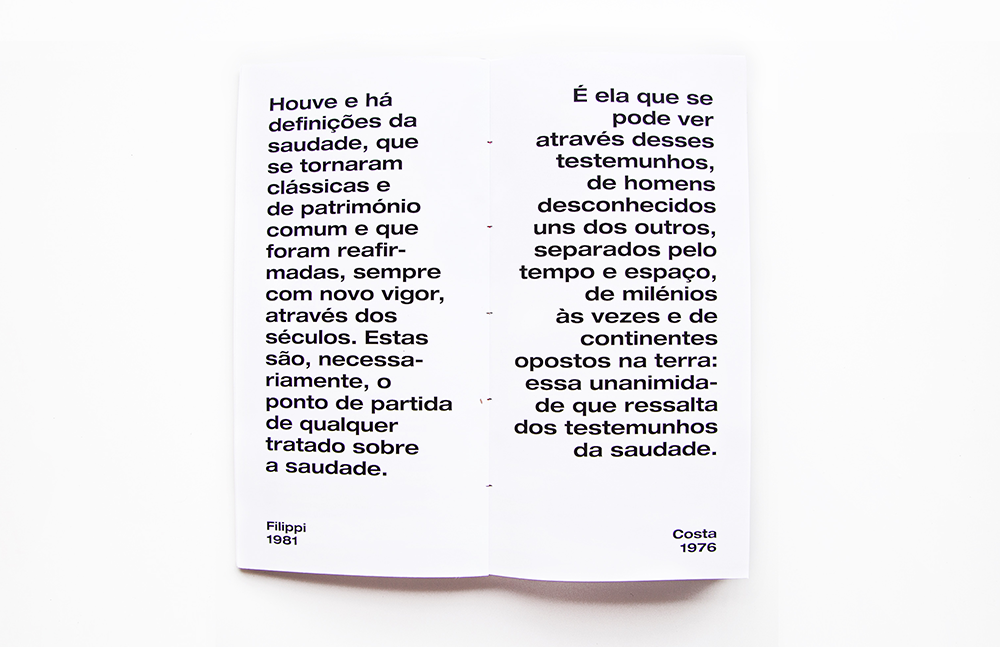
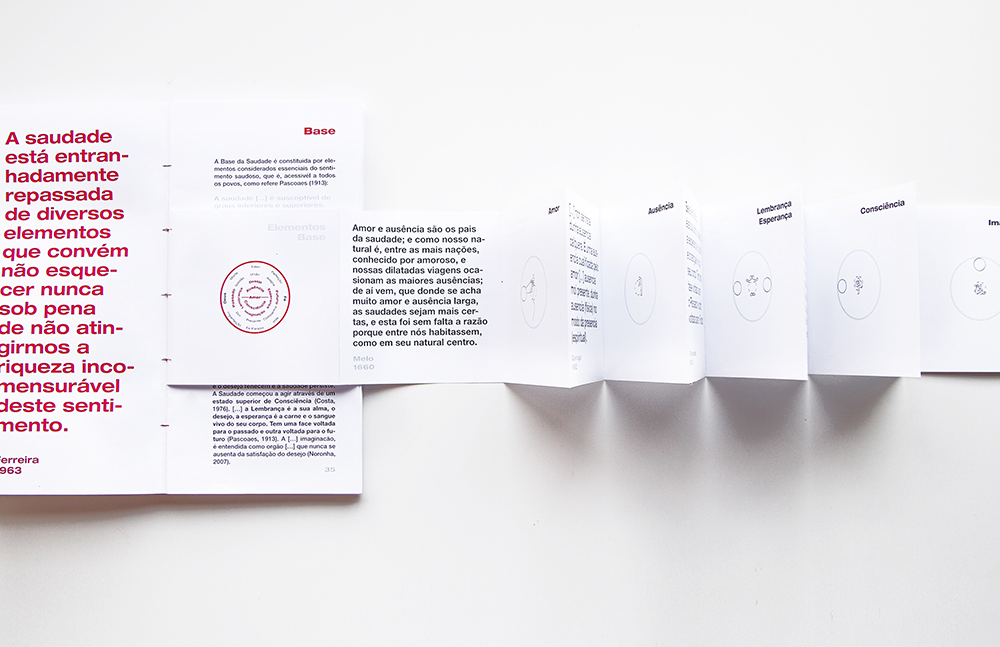
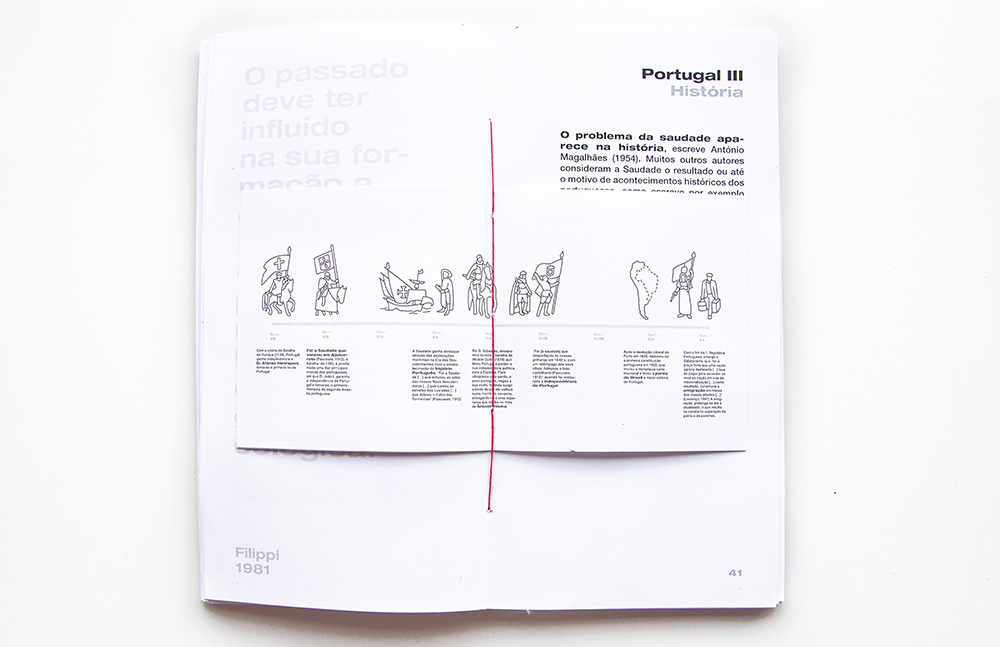
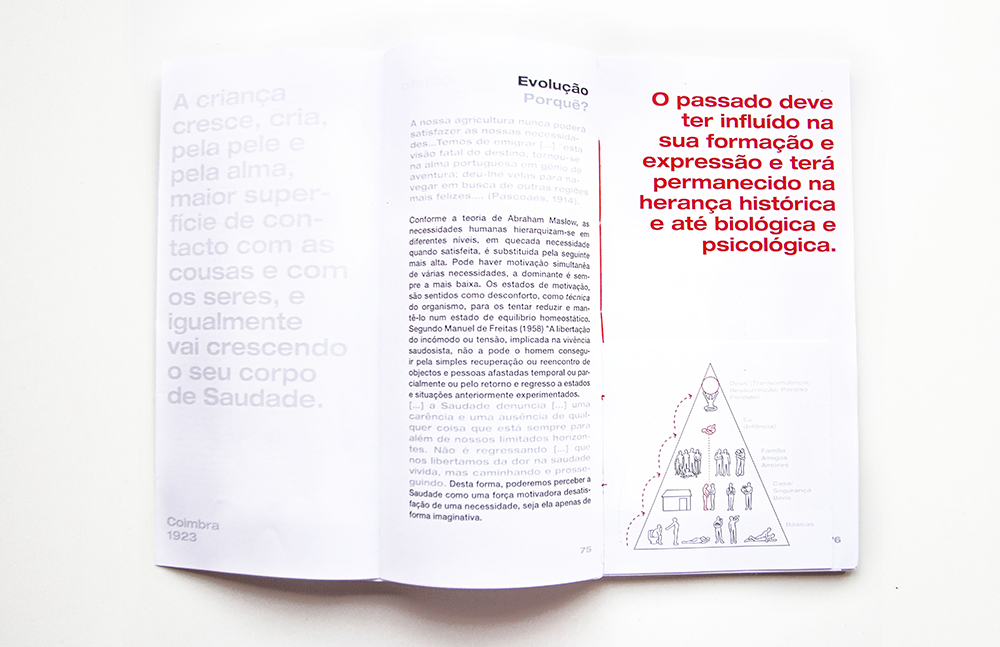
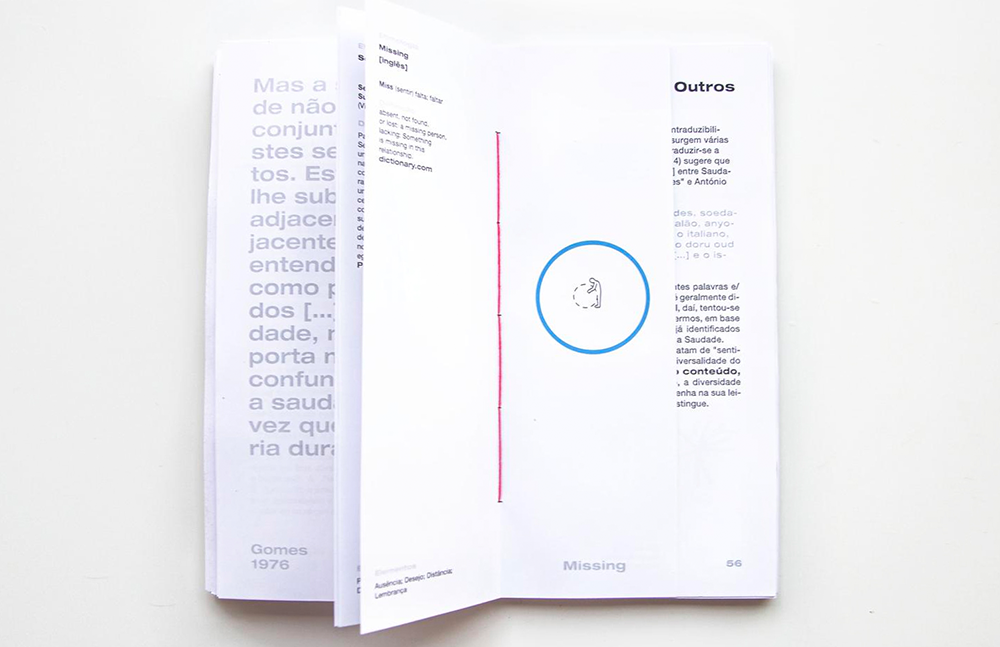
Anatomia da Saudade is a project rooted in my personal experience and hybrid cultural identity. Combining design art and research I explore Saudade a complex emotion tied to Portuguese culture to examine and make its many layers visible and tangible.
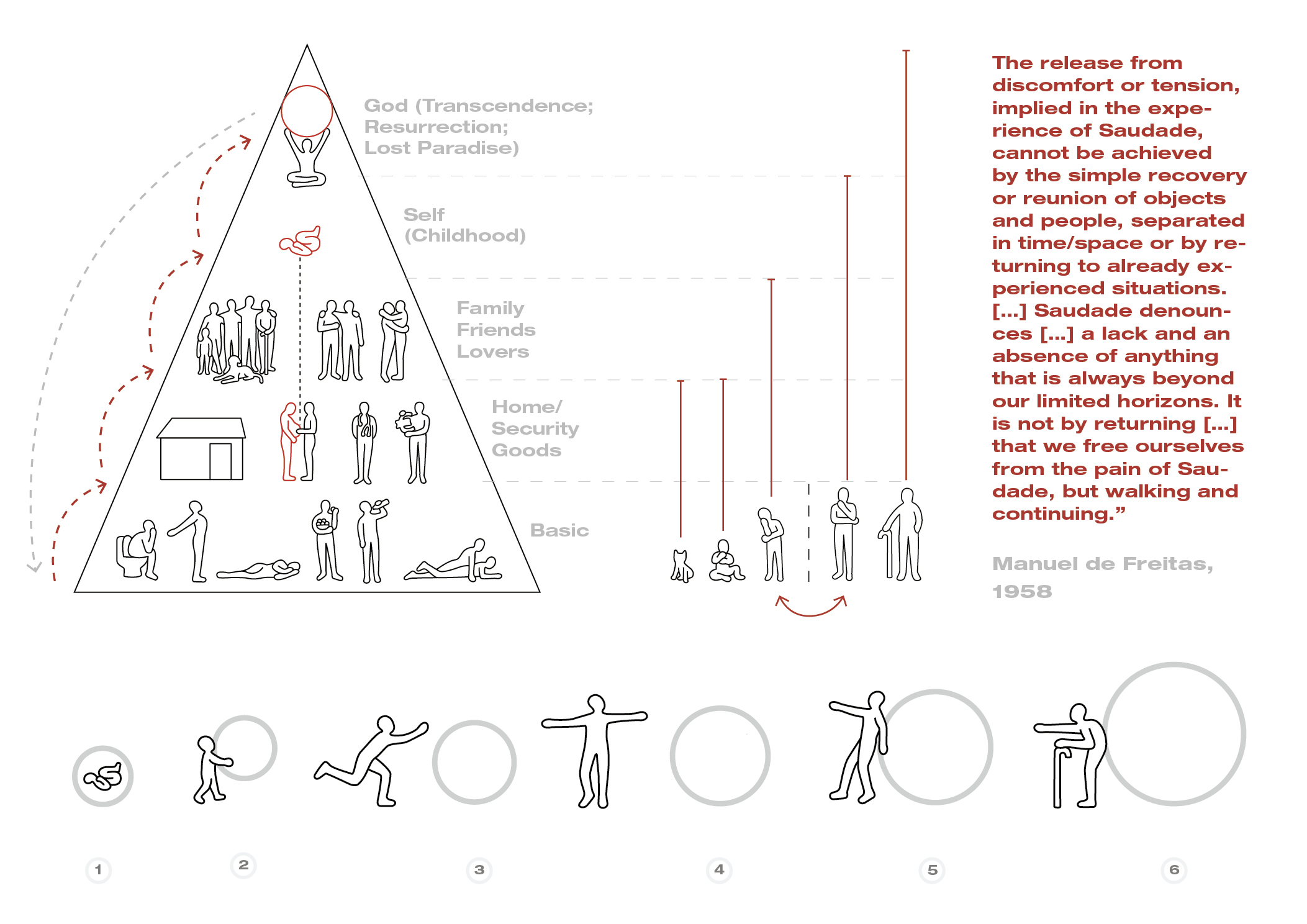
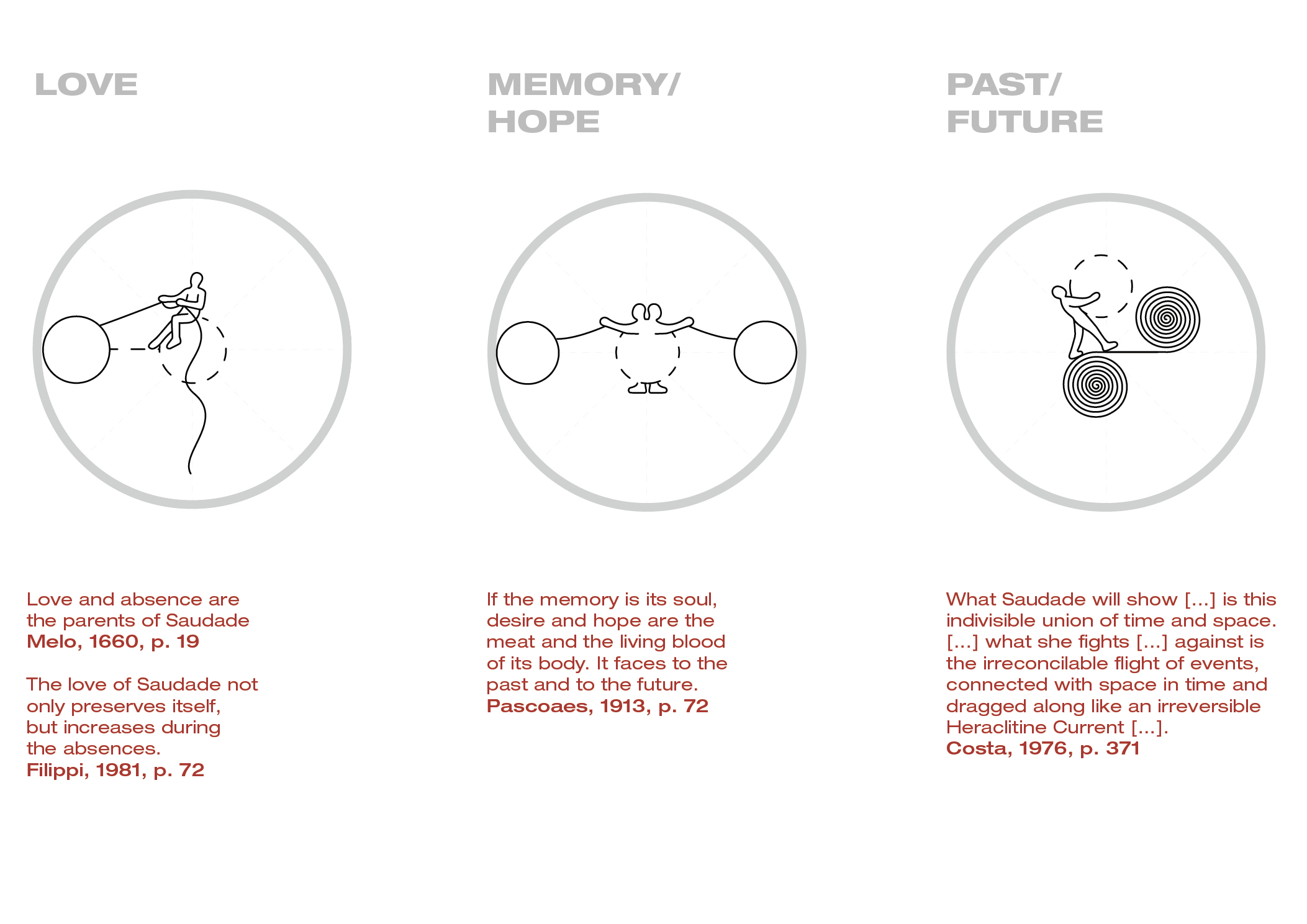
Saudade goes beyond nostalgia or longing it is an ambivalent feeling where loss and hope coexist living in memory but reaching into the future charged with absence and desire.
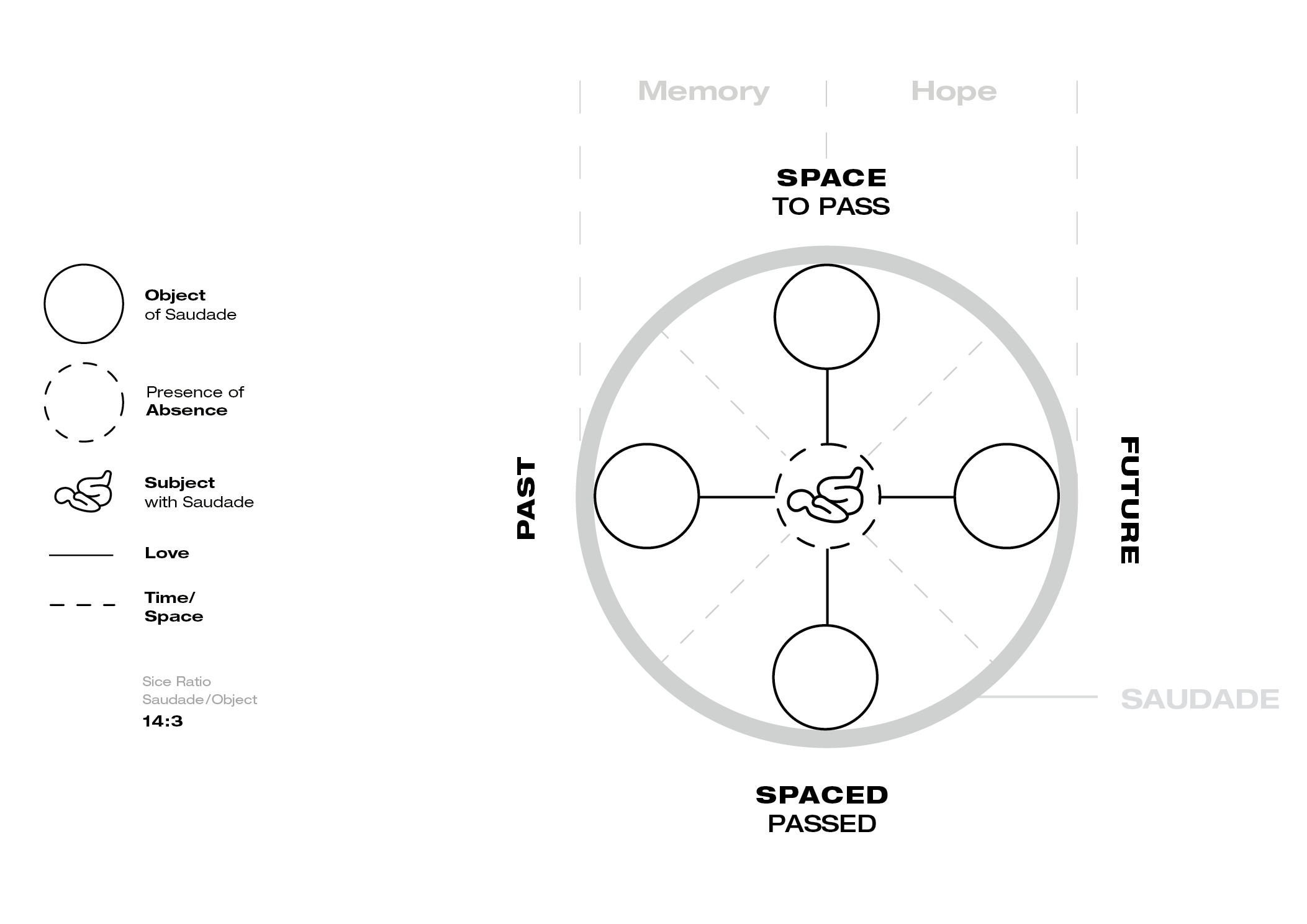
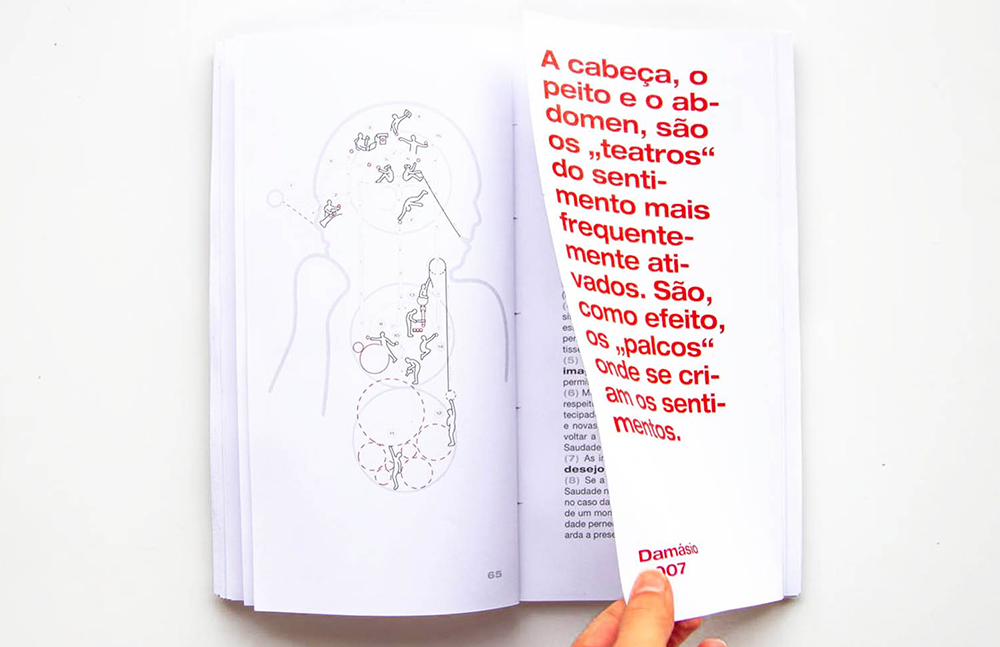
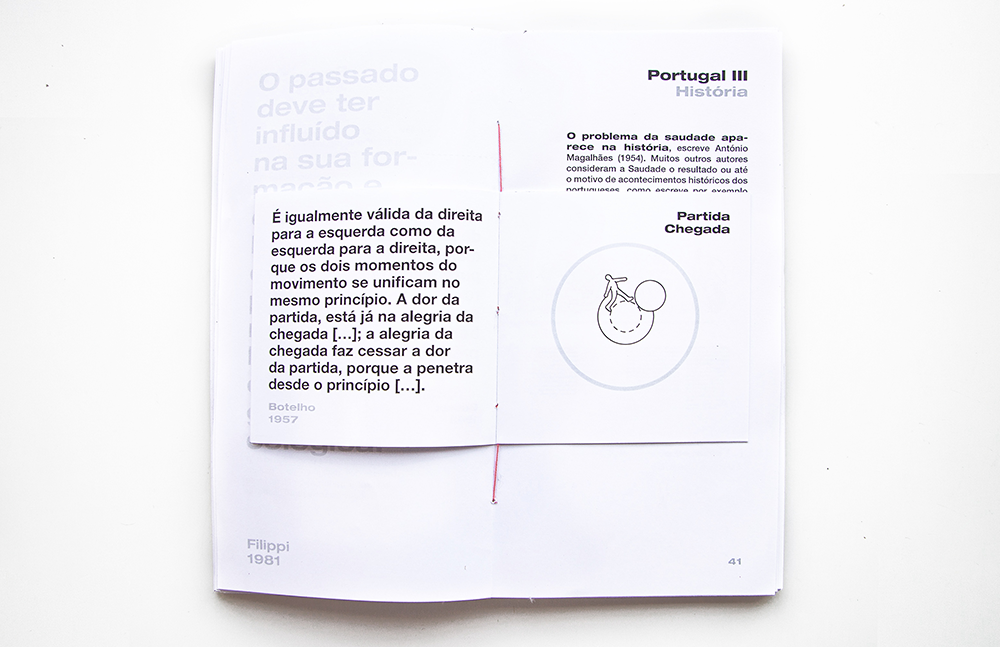
At the core is a graphic system centered on a dynamic symbol that visualizes Saudades shifting facets and distinguishes it from related emotions. This system draws on extensive literature and interviews mapping how Saudade is experienced through personal objects of longing and highlighting when it becomes overwhelming.
As a designer and artist I aim to make Saudade tangible opening a shared space for reflection on emotional complexity and identity.
Saudade goes beyond nostalgia or longing it is an ambivalent feeling where loss and hope coexist living in memory but reaching into the future charged with absence and desire.
At the core is a graphic system centered on a dynamic symbol that visualizes Saudades shifting facets and distinguishes it from related emotions. This system draws on extensive literature and interviews mapping how Saudade is experienced through personal objects of longing and highlighting when it becomes overwhelming.
As a designer and artist I aim to make Saudade tangible opening a shared space for reflection on emotional complexity and identity.


Kulturbeutel 2.0
Performative Installation on
Mental Hygiene and Body Culture

research
concept
text
multimedia
performance
exhibition
production
concept
text
multimedia
performance
exhibition
production
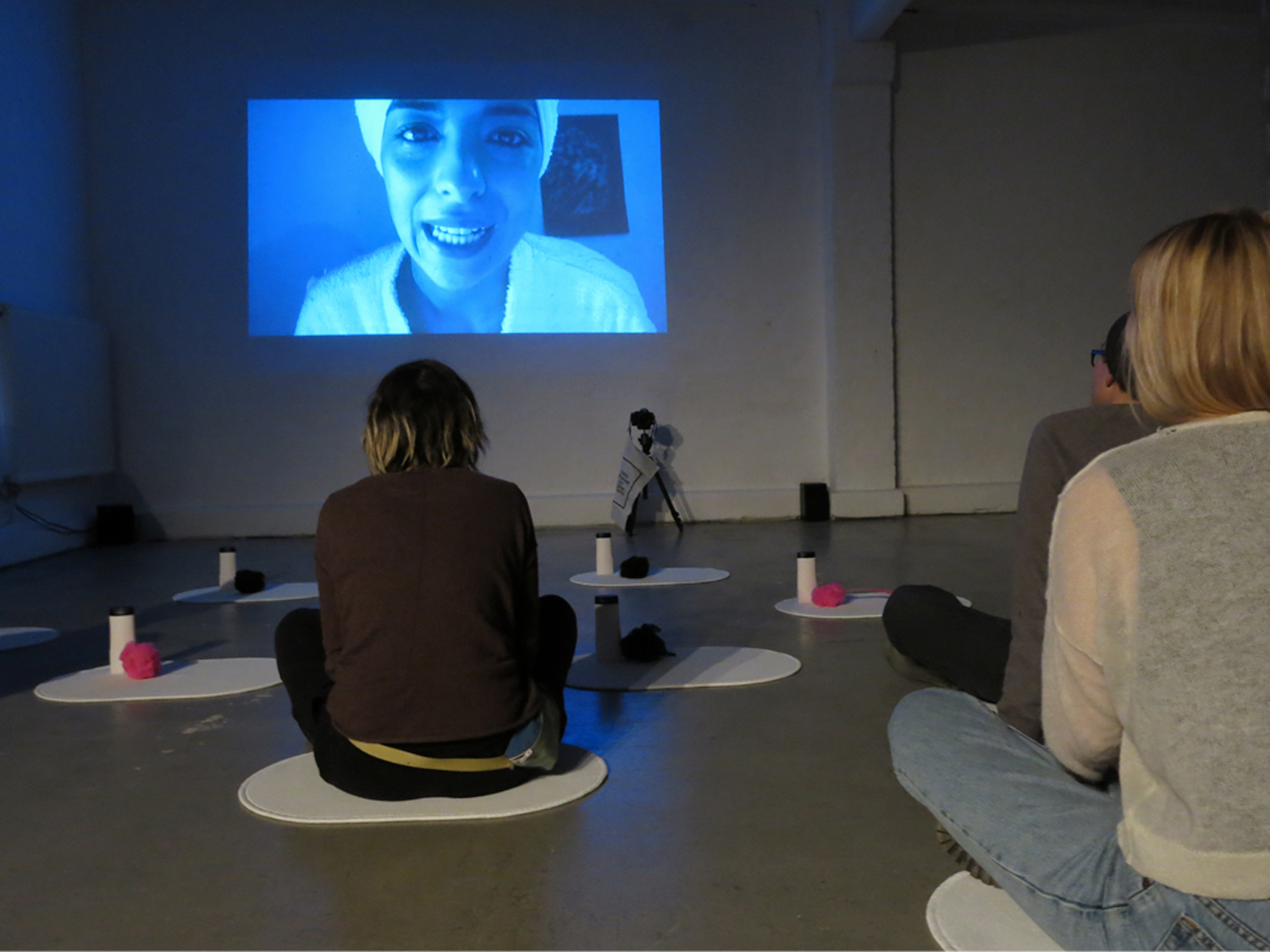
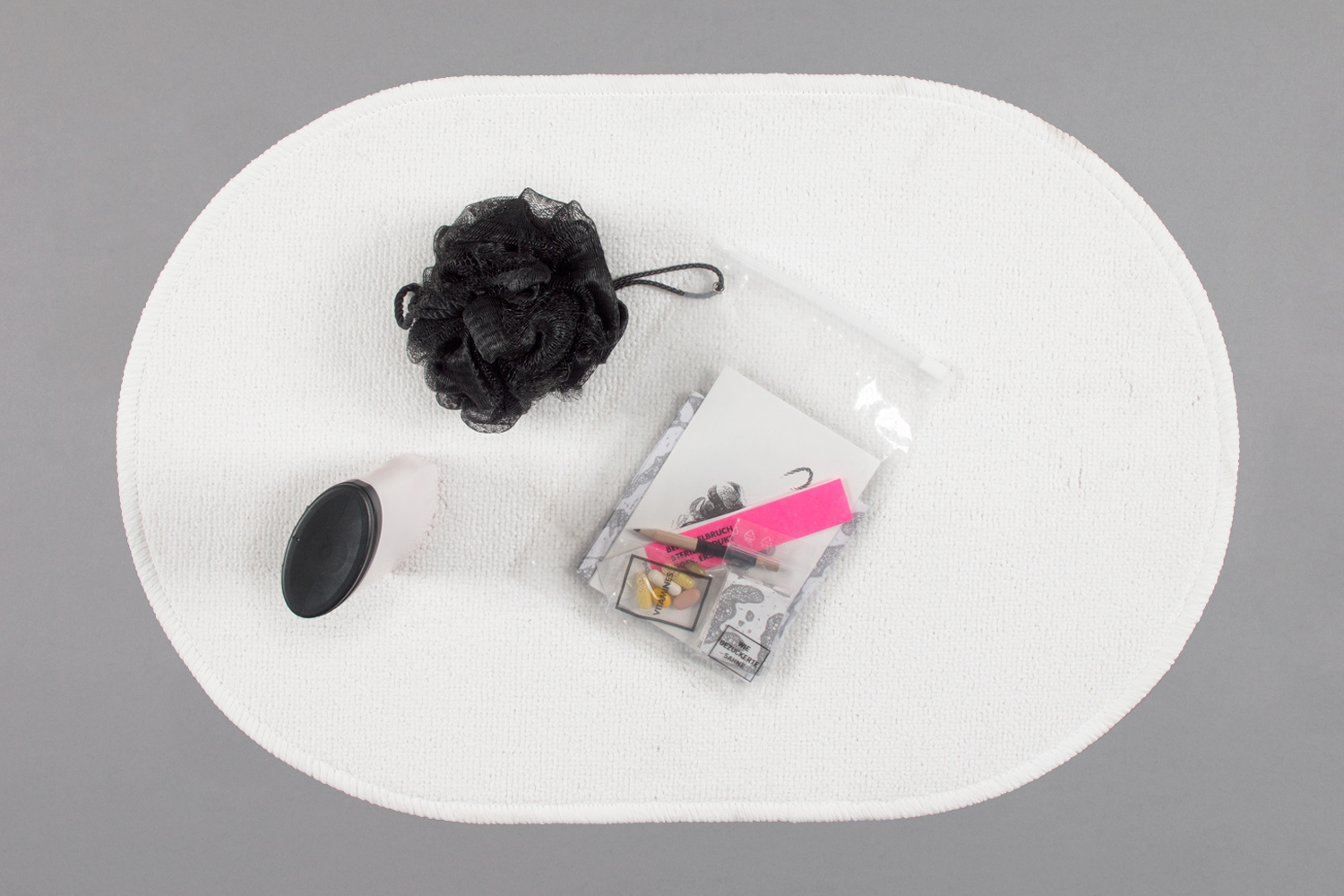
Kulturbeutel 2.0 is a performative exhibition that reimagines body hygiene as mental hygiene, using irony, care rituals, and visual storytelling to explore emotional wellbeing in a digitally overstimulated world. The title plays on the German word Kulturbeutel (toiletry bag) turning it into a symbolic toolkit for the mind.
Visitors pass through a cleansing ritual: phones and watches are sealed away, hands are misted with “happiness steam,” and time is symbolically paused. Inside, they encounter a meditation led by my fictional wellness persona Dalilama, who speaks in the surreal, seductive language of beauty product ads. This blend of parody and sincerity invites reflection on the aesthetics and expectations of self-care.
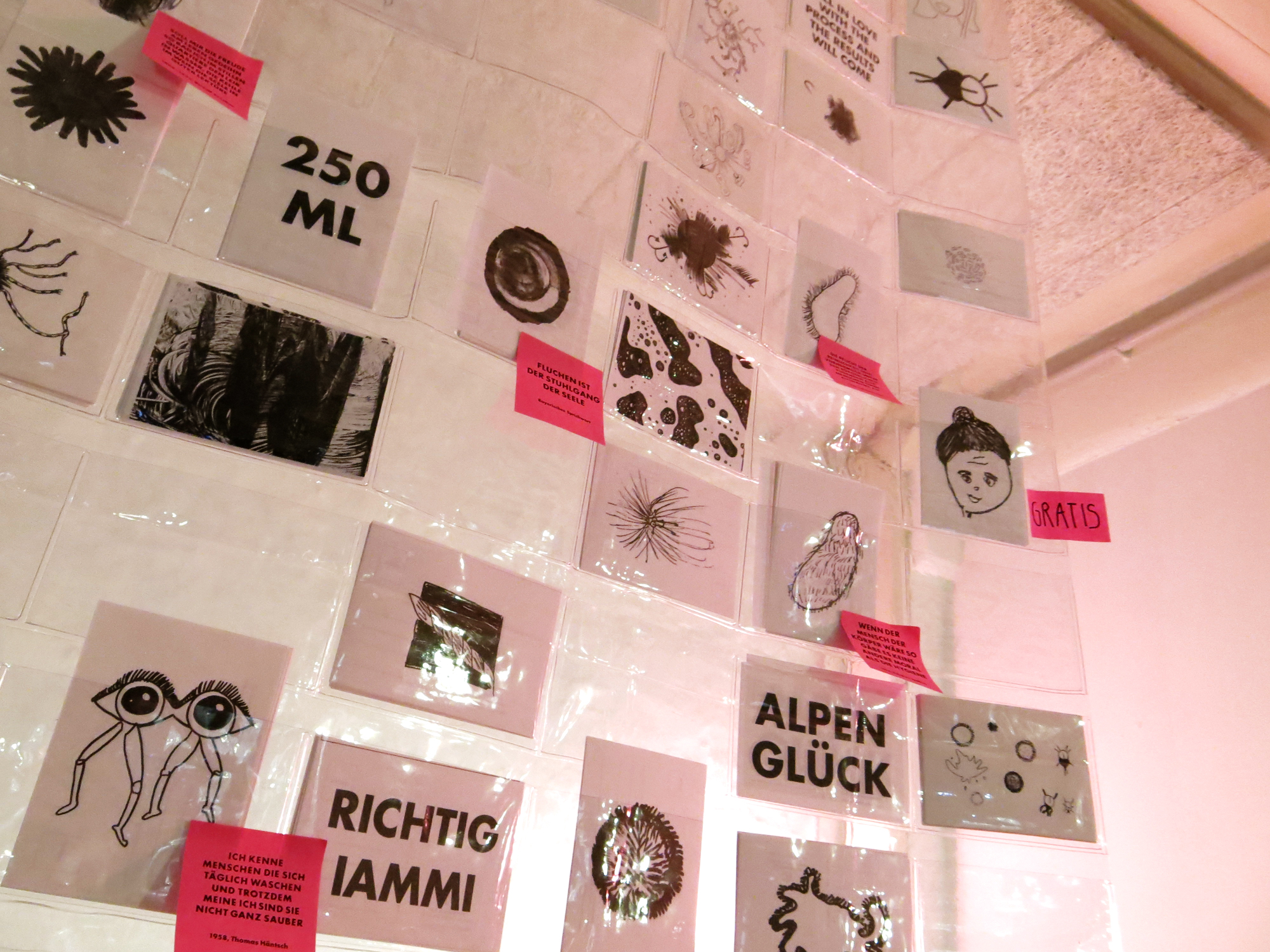
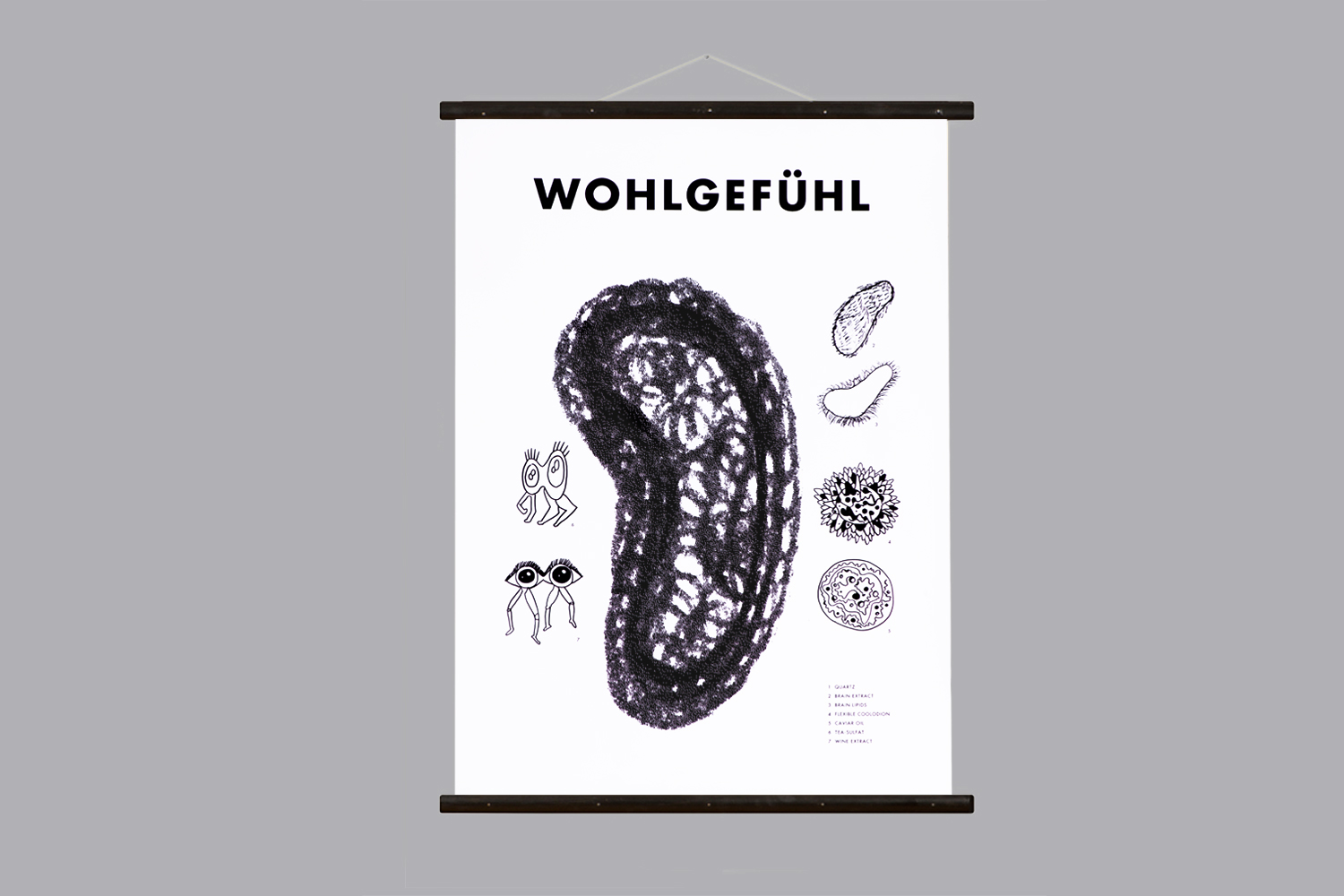
Illustrations throughout the space depict imagined “mental bacteria,” based on public survey responses: how might burnout or anxiety look if we could see them? Alongside these, I share part of my own process: the emotional labor behind the work, my struggles, and how rituals of body care became small acts of survival.
Created as my bachelor project at the University of the Arts Bremen, Kulturbeutel 2.0 was nominated for the university’s annual award and exhibited during the open house.
Visitors pass through a cleansing ritual: phones and watches are sealed away, hands are misted with “happiness steam,” and time is symbolically paused. Inside, they encounter a meditation led by my fictional wellness persona Dalilama, who speaks in the surreal, seductive language of beauty product ads. This blend of parody and sincerity invites reflection on the aesthetics and expectations of self-care.
Illustrations throughout the space depict imagined “mental bacteria,” based on public survey responses: how might burnout or anxiety look if we could see them? Alongside these, I share part of my own process: the emotional labor behind the work, my struggles, and how rituals of body care became small acts of survival.
Created as my bachelor project at the University of the Arts Bremen, Kulturbeutel 2.0 was nominated for the university’s annual award and exhibited during the open house.








Portegg

concept
illustration
porcelain design
illustration
porcelain design
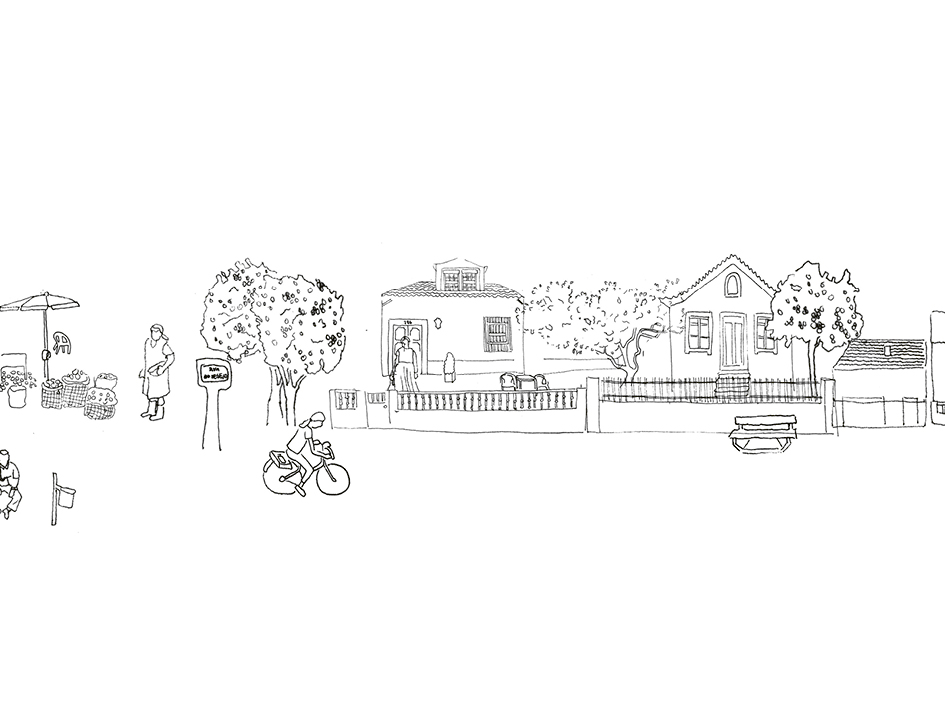
What started as a simple illustration of a recipe for scrambled eggs became something much more layered and meaningful. It turned into a visual journey into the soul of homemade eggs in Portugal. I spent time in local markets, spoke with people who raise their own hens, and observed the quiet beauty of their daily routines. Behind each egg lies more than just food. There is care, connection, and a deep relationship with the land and the people who tend to it.
In Portugal, eggs are everywhere. They are essential to countless dishes, rooted in both tradition and identity. There is a kind of poetry in how naturally they appear in daily life. It is a poetry that might slip by unnoticed if you have grown up with it. But for someone like me, who has left and often longs for the small vivid details that define Portugal, it is something that stirs the heart.
These illustrations became a way to hold onto those emotions. They are not just about cooking or process, but about presence. They attempt to capture the quiet stories behind each plate.
This concept could grow into a series, where each motif highlights a different aspect of Portuguese daily life. If you feel inspired to collaborate on bringing these scenes to life on porcelain, I would love to hear from you.
In Portugal, eggs are everywhere. They are essential to countless dishes, rooted in both tradition and identity. There is a kind of poetry in how naturally they appear in daily life. It is a poetry that might slip by unnoticed if you have grown up with it. But for someone like me, who has left and often longs for the small vivid details that define Portugal, it is something that stirs the heart.
These illustrations became a way to hold onto those emotions. They are not just about cooking or process, but about presence. They attempt to capture the quiet stories behind each plate.
This concept could grow into a series, where each motif highlights a different aspect of Portuguese daily life. If you feel inspired to collaborate on bringing these scenes to life on porcelain, I would love to hear from you.